
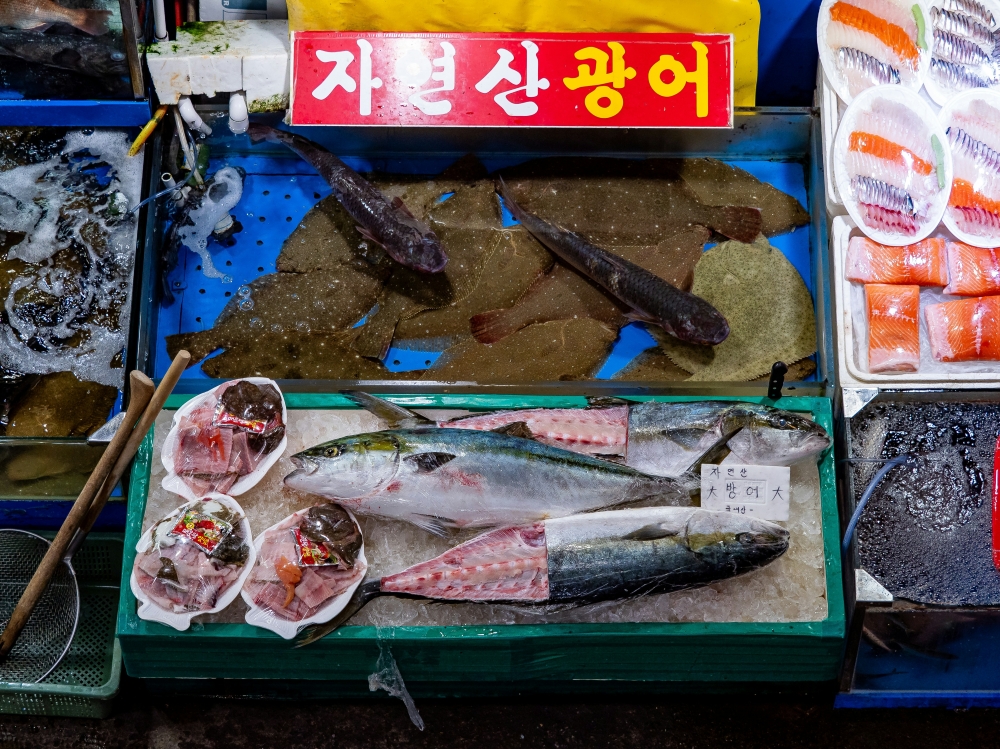
South Korea’s food supply chain is under severe strain as an unprecedented heat wave pushes agricultural and seafood prices to alarming highs, threatening to entrench a new wave of food inflation across the country’s consumer market.
Spinach retail prices surged 152.3 per cent in a single month as of Friday, according to industry data from the Korea Agro-Fisheries & Food Trade Corp, marking one of the sharpest single-commodity price spikes recorded in recent memory. Cucumber prices climbed 54.8 per cent over the same period, while blue lettuce rose 41.7 per cent — data points that collectively signal a systemic supply disruption extending well beyond isolated crop failures.
Amid Sustained Heat Wave Conditions, South Korea’s Agricultural Supply Chain Faces Compounding Pressure
South Korea’s agriculture ministry has directly attributed the price surge to the prolonged heat wave currently gripping the peninsula, with midday temperatures peaking at 40°C earlier last week. Green vegetables are particularly vulnerable to high-temperature exposure, with the ministry noting that crops such as spinach, cucumbers, and zucchinis are optimised for cooler growing conditions and experience sharp supply contractions during summer heat events.
The consequences extend beyond market pricing. A total of 901,602 livestock have died due to heat stress as of Friday, with poultry — including chickens and ducks — accounting for approximately 95 per cent of total losses, according to agriculture ministry data. The scale of livestock mortality introduces additional upward pressure on protein prices at a time when consumer budgets are already being squeezed by elevated vegetable costs.
Warming Ocean Temperatures Are Driving Seafood Price Increases, With Further Rises Expected Through September
The heat wave’s impact on South Korea’s food supply extends offshore. As of Friday, 864,497 fish had been reported dead at aqua farms due to rising ocean temperatures, according to government data — a figure that is already reshaping wholesale seafood pricing across major markets.
The average auction price of flounder reached 22,300 won (approximately US$15.84) per kilogramme for the period from July 27 to August 1, representing a 2.29 per cent increase from the prior week. Year-on-year, the same benchmark rose 13.2 per cent, according to data from the National Federation of Fisheries Cooperatives.
Industry analysts warn the worst may still be ahead. Sea temperatures cool at a significantly slower rate than land temperatures, meaning the full impact of the current heat event on marine stocks will not be felt until September. Flounders and rockfish are specifically identified as the species most likely to sustain elevated pricing through the coming weeks. “The effect of high water temperatures has just begun, and we expect it to be most pronounced in September,” one industry watcher said.
Government Intervention Targets Supply-Side Relief as Heat-Driven Food Inflation Broadens
South Korean authorities are implementing a range of measures to contain consumer price inflation before the heat wave’s full supply-side impact materialises. The government has moved to increase imports of broiler chickens to offset domestic poultry losses — a direct response to the 901,602 livestock deaths recorded as of Friday. Simultaneously, promotional discount events for fish at major retail outlets are being expanded in an effort to moderate price transmission at the consumer level.
The measures reflect a recognition that supply disruption, rather than demand-side dynamics, is the primary driver of current price increases. With temperatures forecast to moderate — daytime highs are expected to fall to approximately 34°C from Sunday — the government’s near-term strategy centres on bridging the supply gap until domestic production can partially recover.
However, structural vulnerabilities in South Korea’s agricultural sector remain. Green vegetable crops with short growing cycles are among the fastest to respond to normalising temperatures, while aquaculture recovery timelines are considerably longer given the lag in ocean temperature reduction.
Frequently Asked Questions: South Korea Heat Wave and Food Price Increases
How much have vegetable prices increased in South Korea due to the heat wave? As of Friday, spinach retail prices rose 152.3 per cent compared to one month earlier, cucumber prices climbed 54.8 per cent, and blue lettuce increased 41.7 per cent, according to data from the Korea Agro-Fisheries & Food Trade Corp.
How many livestock have died in South Korea due to the heat wave? A total of 901,602 livestock died due to heat stress as of Friday, with poultry — including chickens and ducks — accounting for approximately 95 per cent of those deaths, according to South Korea’s agriculture ministry.
What is the current price of flounder in South Korea? The average auction price of flounder was 22,300 won (US$15.84) per kilogramme for the period from July 27 to August 1, 2026 — up 2.29 per cent from the prior week and 13.2 per cent higher than the same period in the previous year.
Why are fish prices in South Korea expected to rise further in September? Sea temperatures cool more slowly than land temperatures, meaning the full effect of the current heat wave on marine stocks will be most pronounced in September. Flounders and rockfish are expected to remain at elevated prices due to ongoing high water temperatures.
How many fish have died at South Korean aqua farms due to the heat wave? As of Friday, 864,497 fish were reported dead at aqua farms as a result of warming ocean temperatures, according to government data.
What measures is the South Korean government taking to address food price inflation? The government is increasing imports of broiler chickens to offset domestic poultry losses and expanding promotional discount events for fish at major retail stores to limit price increases at the consumer level.
When is South Korea’s heat wave expected to ease? Temperatures that peaked at 40°C earlier last week are expected to moderate, with daytime highs forecast to fall to around 34°C from Sunday, August 9, 2026.
South Korea’s current food price crisis illustrates the direct and measurable link between extreme heat events and supply-chain disruption across both agricultural and aquaculture sectors. With spinach prices up 152.3 per cent in a single month, more than 900,000 livestock dead, and nearly 865,000 farmed fish lost to warming waters, the scale of the supply shock is substantial. Government intervention — centred on expanded imports and retail promotion — provides near-term relief, but analysts tracking seafood markets expect price pressures to intensify through September before conditions normalise. The episode underscores the growing exposure of food supply systems to climate-driven disruptions with compressed and overlapping timelines across multiple commodity categories simultaneously.
Source: Yonhap News Agency / Bernama-Yonhap
About the Author


