South Korea has announced it will pursue criminal prosecution against students found using smart glasses to cheat on the country’s national university entrance examination, marking one of the most aggressive regulatory responses to AI-enabled academic fraud recorded in Asia to date.
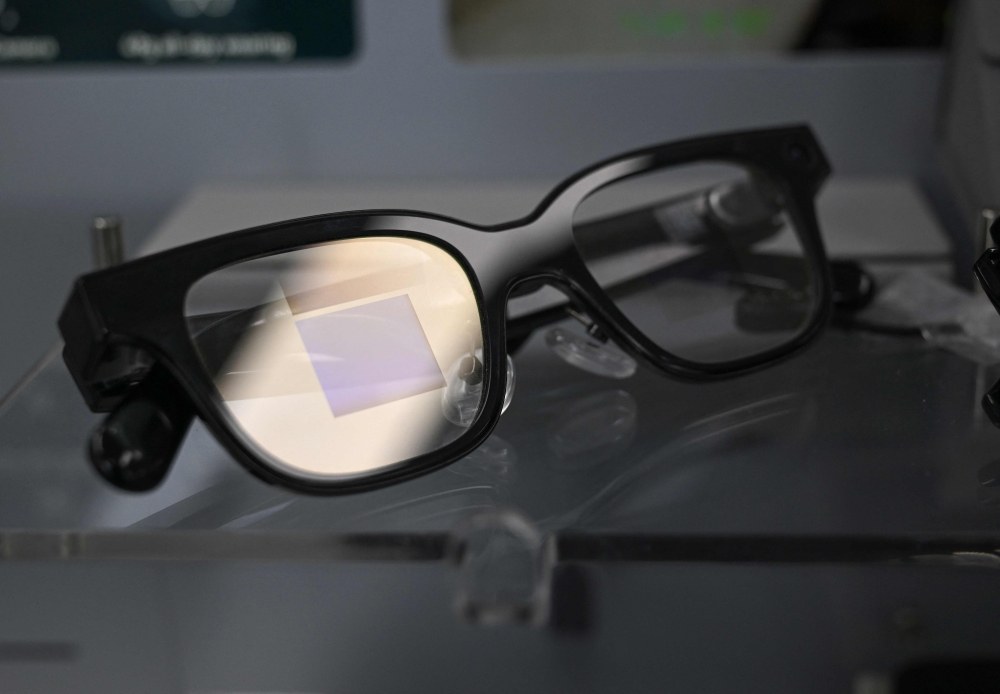
The announcement, confirmed by an education ministry official to AFP on October 30, 2026, comes as sales of smart glasses — devices capable of capturing photos and video and interfacing with artificial intelligence assistants in real time — continue to climb globally. The escalating misuse of such technology in high-stakes academic settings has prompted governments and institutions across the region to respond with increasingly stringent countermeasures.
Smart Glasses Cheating Incidents Trigger South Korea’s Policy Response
Three students were caught either wearing or possessing smart glasses during institution-administered essay examinations at universities in Seoul, triggering the government’s policy response. Lee Joon-hyuk, an official at South Korea’s education ministry, confirmed to AFP that authorities plan to file criminal complaints against any students caught cheating with the devices in future examinations.
Beyond criminal charges, the ministry also announced a significant extension of the existing exam ban period. Students caught cheating with smart glasses will be barred from retaking their exams for three years — up from the current penalty of one year. The tougher sanctions represent a threefold increase in the exclusion period and signal the government’s intent to treat technology-assisted cheating as a serious academic offence.
The new rules, however, are not expected to apply to the upcoming college entrance tests, scheduled approximately 20 days from the date of the announcement. Lee acknowledged the timeline constraint directly: “With only about 20 days left until the exam, it would be realistically difficult to amend the law before then. However, we plan to push for the changes to take effect from next year’s exam.”
The Suneung: High Stakes That Make Cheating Worth the Risk
The examination at the centre of this policy debate is South Korea’s “Suneung” — the national college entrance exam widely regarded as one of the most consequential academic events in a student’s life. Admission to top-tier universities hinges almost entirely on Suneung results, and the test is broadly viewed as a determinant not only of career prospects but of broader social outcomes, including economic security and marriage prospects.
The exam’s national significance is reflected in the extraordinary measures taken to ensure its smooth administration. On the day of the Suneung, a 35-minute nationwide flight ban is imposed during the English listening portion of the test, with exceptions made only for emergencies. Banks and public offices instruct staff to begin work one hour later than usual to reduce road congestion around examination centres.
Enormous pressure on students competing within South Korea’s ultra-competitive education system has been linked by researchers and public health advocates to elevated rates of teenage depression and suicide, which rank among the highest in the world. That pressure, analysts note, creates strong incentives for students to seek any available advantage — including emerging technology.
Designated Monitors and a Growing Global Pattern of AI Exam Fraud
South Korea’s education ministry outlined several immediate measures alongside the longer-term legislative changes. Examination centres will each be assigned a designated staff member specifically tasked with identifying suspicious eyewear among test-takers — a practical, near-term intervention that does not require statutory amendments.
The problem is not unique to South Korea. This past northern hemisphere summer, the prestigious National Taiwan University in Taipei reportedly disqualified an entrance exam candidate for using AI-enabled smart glasses to cheat. The incident attracted wide regional attention and underscored the difficulty examination authorities face in distinguishing ordinary corrective lenses from increasingly compact, commercially available AI-equipped devices.
Smart glasses capable of streaming live video, transmitting audio, and receiving real-time AI-generated responses have become a commercially significant product category. Their growing consumer availability means that the gap between what examination authorities can visually detect and what students can covertly deploy is narrowing.
A separate backlash against smart glasses has developed in parallel, centred on privacy concerns: the devices’ ability to record bystanders without visible indication has drawn criticism in public spaces across multiple countries, compounding regulatory pressure on the category from multiple directions.
Criminal Prosecution Marks a Shift Toward Deterrence-Based Policy
South Korea’s decision to pursue criminal complaints — rather than relying solely on academic sanctions — represents a meaningful escalation in the government’s approach to technology-assisted cheating. The combination of criminal exposure and a three-year examination ban creates a substantially higher deterrent threshold than the existing one-year suspension.
The ministry’s acknowledgement that legislative amendments cannot be enacted within 20 days reflects a practical tension regulators face globally: the pace at which consumer AI hardware evolves consistently outstrips the speed of institutional and legal adaptation. By committing publicly to having revised regulations in place for the following year’s examination cycle, South Korea’s education authorities have set a concrete policy timeline — one that will face scrutiny when the next Suneung season arrives.
For now, designated eyewear monitors at examination centres represent the front line of defence. Whether that measure proves sufficient against candidates motivated by the enormous personal stakes attached to a single exam result remains an open question that South Korean education officials will be watching closely over the coming weeks. — AFP
About the Author