Iran’s Islamic Revolutionary Guard Corps (IRGC) announced on Sunday, September 27, 2026, that its naval forces captured an American unmanned underwater vehicle (UUV) operating in the Strait of Hormuz — the second such seizure this month alone, deepening an already volatile confrontation between Tehran and Washington in one of the world’s most strategically critical waterways.
IRGC Claims “Complex Operation” Netted a Remus 600 Autonomous Underwater Vehicle
In a statement broadcast on Iranian state television, the IRGC naval forces said the capture was achieved “through a coordinated, complex operation involving intelligence oversight and electronic warfare.” The seized device was identified as a Remus 600 autonomous underwater vehicle, a sophisticated UUV model used by the US Navy for a range of subsurface surveillance and intelligence-gathering missions.
The IRGC stated the drone was “operating in the Strait of Hormuz for espionage purposes” at the time of its capture, and confirmed the vehicle is now “in the hands of the force’s specialists for data recovery.” Iranian authorities have not indicated a timeline for the completion of their analysis, nor specified the exact coordinates where the drone was intercepted.
Second Seizure This Month as Iran Maintains Full Blockade of the Strait
This is not an isolated incident. Earlier in September 2026, Iran’s Revolutionary Guards reported the capture of a separate American submarine drone in the same waterway — a seizure that drew swift but measured responses from US officials at the time.
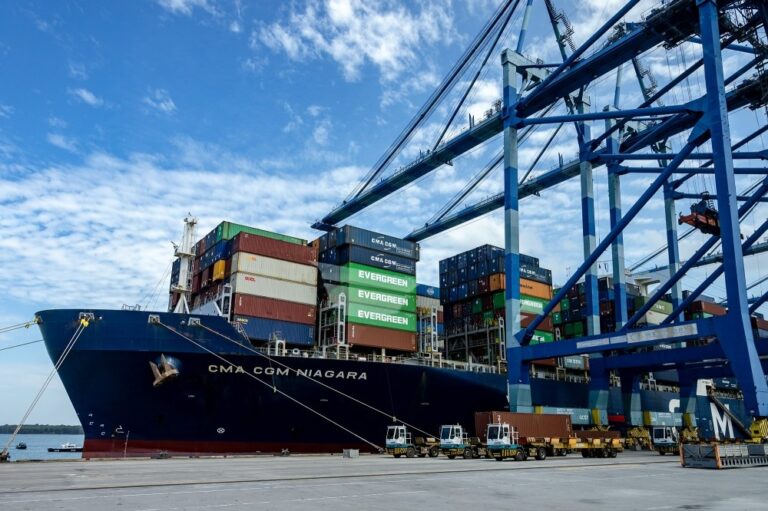
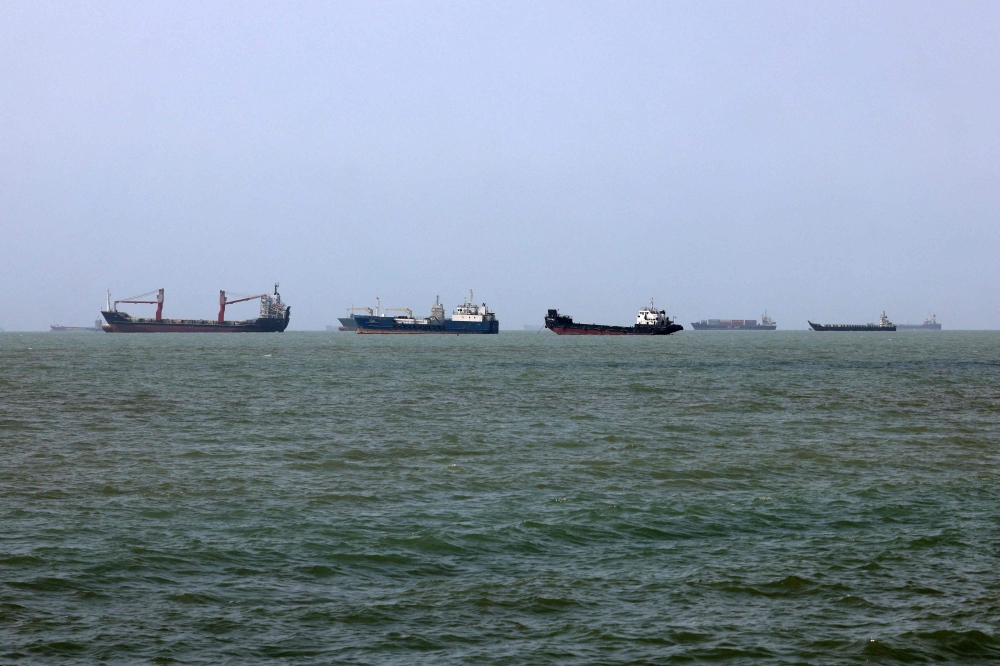
The Strait of Hormuz, through which an estimated 20 percent of the world’s traded oil and liquefied natural gas historically passed, has been under an Iranian naval blockade since the outbreak of the broader Middle East conflict in late February 2026. In response, the United States has imposed a counter-blockade targeting Iranian ports, creating a dual maritime stranglehold that has severely disrupted global energy shipping lanes and elevated geopolitical risk premiums across commodity markets.
The IRGC’s latest statement did not specify whether the newly captured Remus 600 was operating in Iranian territorial waters or international waters at the time of interception — a distinction with significant legal and diplomatic implications.
US Has Not Confirmed Loss of the Drone; Pentagon Response Awaited
As of the time of publication, the United States Department of Defense had not issued a public statement confirming or denying the loss of the underwater drone. Washington has historically been cautious in acknowledging such captures, with official responses typically emerging within 24 to 48 hours of initial claims from Tehran.
Iran’s Revolutionary Guards have a documented history of seizing foreign naval assets in the Persian Gulf and the Strait of Hormuz region, including multiple seizures of oil tankers and, in prior years, US Navy patrol boats. The IRGC’s framing of the latest capture — emphasising electronic warfare capabilities — signals that Tehran is projecting a growing sophistication in its maritime interdiction operations.
Strategic Significance of the Strait of Hormuz Cannot Be Overstated
The Strait of Hormuz, a narrow chokepoint between Iran and the Sultanate of Oman, represents one of the most consequential maritime passages on earth. At its narrowest point, the strait measures approximately 33 kilometres wide. Prior to the current conflict, roughly 17 to 21 million barrels of oil per day transited the strait, according to the US Energy Information Administration — representing approximately one-fifth of global petroleum liquids consumption.
Iran’s decision to blockade the strait following the outbreak of the Middle East war in late February 2026 triggered immediate shocks across global energy and shipping markets. The simultaneous US counter-blockade of Iranian ports has further complicated the situation, leaving commercial shipping operators facing acute uncertainty and significantly elevated insurance costs for vessels operating in the wider Persian Gulf region.
The capture of American surveillance drones in this environment carries dual implications: it serves Iran’s domestic narrative of resistance against US military presence in the region, while also providing Tehran with potentially valuable intelligence on American underwater surveillance capabilities and operational patterns in the strait.
Remus 600: A Navy-Grade Surveillance Asset With Significant Intelligence Value
The Remus 600 — Remote Environmental Monitoring Units System — is manufactured by Kongsberg Maritime and is widely deployed by the US Navy for mine countermeasures, intelligence gathering, and environmental surveys. Operating at depths of up to 600 metres and capable of missions lasting up to 24 hours on a single charge, the Remus 600 carries sophisticated sensor suites that can include acoustic modems, side-scan sonar, and water column profiling instruments.
If Iran’s specialists are able to extract operational data from the recovered vehicle — including mission logs, waypoints, and sensor recordings — the intelligence value to Tehran could be considerable. Previous incidents involving the capture of US military hardware by adversarial states have demonstrated that even partially recovered data can reveal surveillance priorities, patrol patterns, and technical specifications of broader significance.
Reporting based on statements issued by the IRGC via Iranian state television and regional wire services. The US Department of Defense had not responded to requests for comment at the time of publication. — AFP/Malay Mail
About the Author