Prime Minister Datuk Seri Anwar Ibrahim has committed the Malaysian government to a comprehensive investigation of all findings and recommendations contained in the Royal Commission of Inquiry (RCI) report on Lembaga Tabung Haji (TH), acting on a direct decree from His Majesty Sultan Ibrahim, King of Malaysia. The pledge, announced on August 8, 2026, signals an escalation in the government’s accountability posture toward one of the country’s most sensitive public institutions — a pilgrims’ fund managing decades of hard-earned savings from millions of Malaysians.
RCI Report Covering 2014–2020 Operations Becomes Catalyst for Multi-Agency Accountability Drive
The RCI report on Tabung Haji, published on July 29, 2026, examined the institution’s management and operations across a six-year window spanning 2014 to 2020. The report detailed a range of governance weaknesses and documented findings consistent with excessive political interference in profit distribution and haj operations during that period.
Following the report’s release, Sultan Ibrahim issued a decree ordering a thorough investigation into its findings — a directive Anwar received in person during an audience exceeding one hour at Istana Bukit Tunku, Kuala Lumpur, on August 8.
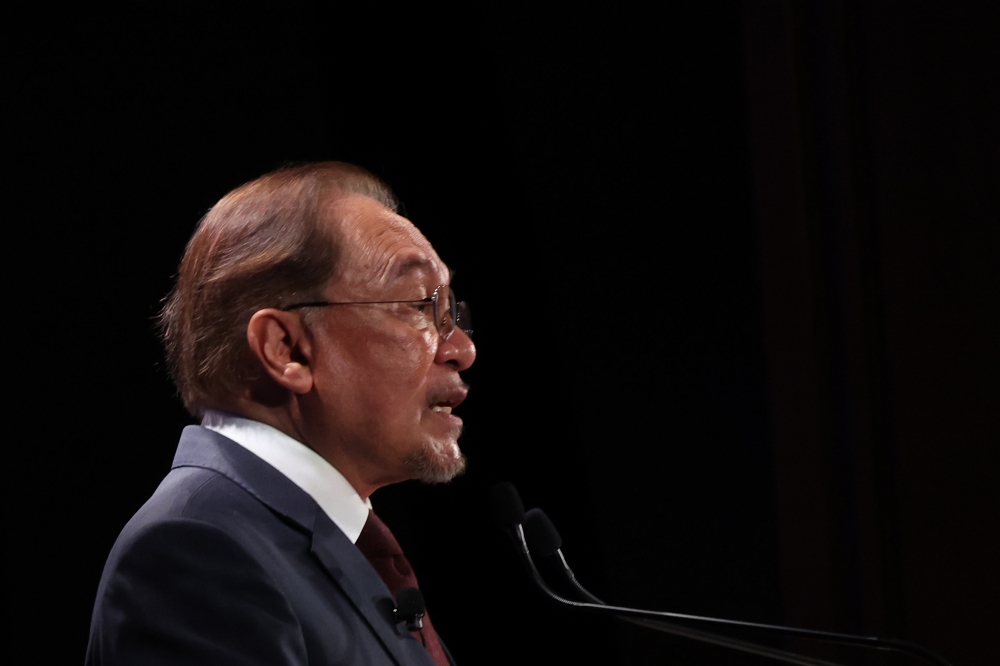
Announcing the government’s response via Facebook, Anwar stated that His Majesty’s order “reflects the Madani government’s commitment to ensuring that every recommendation and finding is fully investigated without compromise.” The Prime Minister framed the government’s action not merely as procedural compliance but as a reaffirmation of fiduciary duty to the millions of depositors — including farmers, civil servants, and lower- and middle-income earners — who entrust TH with their pilgrimage savings.
Tabung Haji’s Depositor Base Represents a Broad Cross-Section of Malaysian Society, Elevating the Stakes of Accountability
Tabung Haji manages a trust fund built from the savings of millions of Malaysians across income and occupational groups. As Anwar emphasised during his post-audience statement, the institution’s depositor base spans farmers, civil servants, and middle- and lower-income earners who have spent years — in many cases, decades — setting aside funds to fulfil the haj pilgrimage.
That demographic breadth places the governance failures documented in the RCI report in sharp relief. A fund serving predominantly lower-income depositors with long savings horizons carries a disproportionately high accountability burden: losses or mismanagement are not easily recovered, and trust, once broken, erodes the institution’s foundational social contract.
Tabung Haji itself reported on August 8 that approximately 75 per cent of the RCI’s recommendations have already been implemented. The institution further stated it would study proposals submitted by non-governmental organisations through a solidarity memorandum linked to the RCI process, signalling continued engagement beyond the government’s own enforcement actions.
Multi-Agency Enforcement Response Deployed Across MACC, Police, and IRB Following RCI Publication
The government’s accountability response to the Tabung Haji RCI report extends beyond a prime ministerial pledge. As of August 8, 2026, the Malaysian Anti-Corruption Commission (MACC), the Royal Malaysia Police, and the Inland Revenue Board (IRB) have all intensified investigations into alleged irregularities identified in or related to the RCI’s findings.
The simultaneous activation of three distinct enforcement agencies underscores the breadth of the alleged governance failures under review. The MACC’s involvement addresses potential corruption dimensions, the police component covers criminal liability, and the IRB’s participation introduces a tax compliance angle — collectively suggesting the probe extends across financial, criminal, and regulatory dimensions.
Anwar, who also holds the Finance Minister portfolio, made clear that the government’s enforcement response carries no exceptions based on position or rank. “Those found to have misused it must be held accountable under the law,” he stated, with the Prime Minister adding that the Madani government would remain “steadfast in upholding good governance, transparency and accountability.”
King’s Decree Establishes Compliance Mandate; Government Commits to Full Adherence Across Governance and Security Fronts
The audience between Sultan Ibrahim and Prime Minister Anwar on August 8 covered ground beyond the Tabung Haji RCI report. Anwar also briefed the King on developments in the separate investigation into the Federal Land Development Authority (FELDA), informing His Majesty that the government was reviewing a special task force report to determine appropriate legal action.
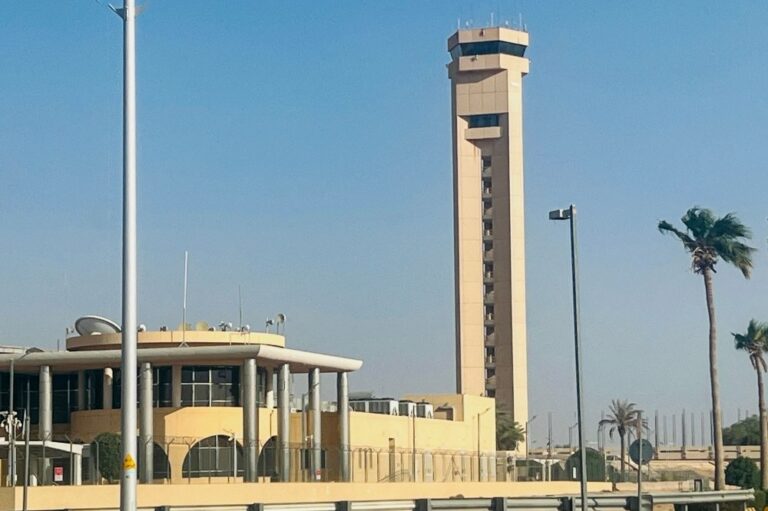
The King separately issued a directive regarding national security, ordering tighter controls at the country’s airport and entry points to curb drug smuggling — a mandate Anwar confirmed the government would pursue through enhanced enforcement, continuous surveillance, and close inter-agency cooperation.
In his public statement, Anwar framed all of these commitments within a single accountability framework: “I and the entire government will remain committed to His Majesty’s decree to strengthen governance, enforcement and national security, while ensuring the wellbeing of the people.”
The breadth of the royal decree — spanning financial governance, public fund accountability, and border security — reflects an institutional moment in which the monarchy’s directive function is being deployed across multiple policy domains simultaneously.
Key Facts: Tabung Haji RCI and the Government’s Investigation Commitment
What is the Tabung Haji RCI report? The Royal Commission of Inquiry (RCI) report on Lembaga Tabung Haji was published on July 29, 2026. It examined TH’s management and operations between 2014 and 2020, documenting governance weaknesses and findings related to alleged political interference in profit distribution and haj operations.
What did the King decree regarding the RCI? Sultan Ibrahim, King of Malaysia, issued a decree ordering a thorough investigation into the findings and recommendations of the Tabung Haji RCI report, emphasising that responsible parties must face appropriate action and that the same failures must not recur.
What did Prime Minister Anwar commit to following the royal decree? Anwar pledged that the government would investigate every recommendation and finding in the RCI report without compromise, framing the commitment as consistent with the Madani government’s accountability principles and the fiduciary duty owed to TH depositors.
Which agencies are investigating alleged Tabung Haji irregularities? As of August 8, 2026, the Malaysian Anti-Corruption Commission (MACC), the Royal Malaysia Police, and the Inland Revenue Board (IRB) have all intensified investigations into alleged irregularities connected to the Tabung Haji RCI findings.
Who does Tabung Haji serve, and why does governance matter? Tabung Haji manages pilgrimage savings for millions of Malaysians, including farmers, civil servants, and lower- and middle-income earners. The institution’s depositor base is predominantly composed of long-term savers with limited capacity to absorb financial losses, making sound governance a matter of direct public welfare.
What percentage of the RCI’s recommendations has Tabung Haji already implemented? Tabung Haji stated on August 8, 2026, that approximately 75 per cent of the RCI’s recommendations have already been implemented, with the institution also pledging to study further proposals submitted by NGOs.
Was the FELDA investigation also discussed with the King? Yes. During the same audience on August 8, Anwar briefed Sultan Ibrahim on the status of investigations into FELDA, informing the King that the government was reviewing a special task force report to determine legally appropriate next steps.
The government’s August 8 commitment to a full, uncompromising investigation of the Tabung Haji RCI findings — delivered in direct response to a royal decree — marks a significant escalation in Malaysia’s institutional accountability posture toward the management of public pilgrimage funds. With the MACC, police, and IRB all actively pursuing related investigations, and with 75 per cent of RCI recommendations already implemented at the institutional level, the post-report enforcement environment is now operating across multiple tracks simultaneously. Whether the pace and depth of accountability actions match the scale of governance failures documented across 2014 to 2020 will likely define the Madani government’s credibility on institutional reform in the months ahead.
About the Author