Malaysia’s gross domestic product expanded 5.8 per cent in the second quarter of 2026, accelerating from 5.4 per cent in Q1 2026, as a record-breaking export surge and broad-based industrial momentum reinforced the country’s position as one of Southeast Asia’s most resilient growth stories. The Department of Statistics Malaysia (DOSM) released the figures on July 31 in its Malaysian Economic Statistics Review (MESR), Volume 7/2026, confirming that first-half GDP growth reached 5.6 per cent — a notable improvement over the 4.5 per cent recorded in the same period of 2025.
Services and Manufacturing Lead a Broad-Based Q2 2026 GDP Expansion
Malaysia’s 5.8 per cent GDP growth in Q2 2026 was underpinned by simultaneous gains across multiple economic pillars. DOSM attributed the expansion primarily to the services and manufacturing sectors, while the mining and quarrying sector staged a meaningful recovery after earlier weakness. The construction sector continued its uninterrupted expansion trajectory.
The Industrial Production Index (IPI) climbed 8.4 per cent in May 2026, building on April’s 8.2 per cent gain. Within the IPI breakdown, manufacturing output rose 6.6 per cent, the mining sector posted an outsized gain of 19.8 per cent, and the electricity sector expanded 4.2 per cent. One notable drag on overall output was the agriculture sector, which contracted due to lower production of palm oil and fisheries — the single sector posting a negative contribution to the headline figure.
Manufacturing sector sales reached RM172.7 billion in May 2026, an 8.9 per cent year-on-year increase. The primary driver was the electrical and electronics (E&E) products subsector, which surged 26.4 per cent — a signal that Malaysia’s position as a global E&E hub continues to strengthen amid shifting supply chain dynamics.
External Trade Data Confirms Export-Led Momentum, with May Surplus Widening to RM40.4 Billion
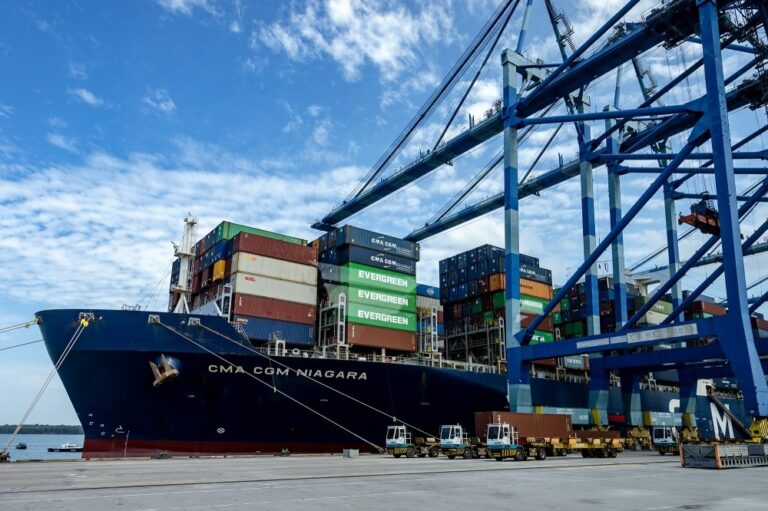
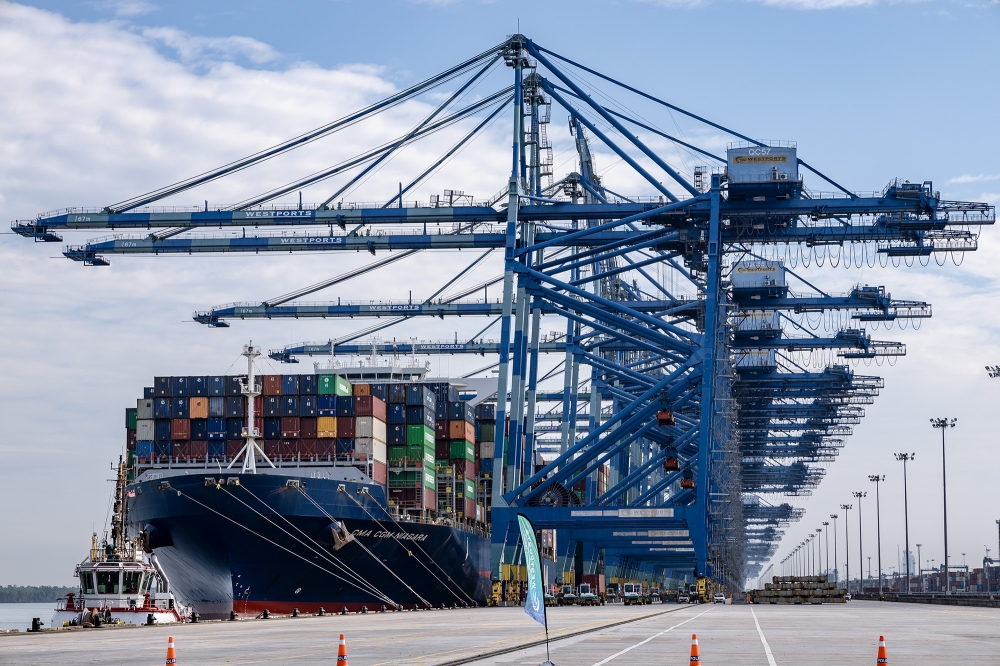
Malaysia’s trade performance in May and June 2026 delivered the most compelling data points of the entire report. Total trade rose 29.8 per cent year-on-year to RM327.6 billion in May, with exports jumping 45.3 per cent to RM184 billion — the headline figure that has drawn the widest analyst attention. Imports rose a comparatively modest 14.1 per cent to RM143.6 billion, producing a trade surplus of RM40.4 billion, a significant widening from prior-period levels.
The positive momentum carried into June, with total trade accelerating further to RM340.9 billion — a 44.7 per cent year-on-year increase. June exports grew 45.4 per cent while imports expanded 43.9 per cent, indicating that import demand is beginning to catch up with export growth, consistent with strengthening domestic investment and capital goods procurement.
Wholesale and retail trade figures corroborated the strength of domestic economic activity. Total wholesale and retail sales rose 11 per cent year-on-year to RM171.3 billion in May, with the wholesale segment leading at an 18.4 per cent expansion to RM80.8 billion.
Labour Market Stability and Controlled Inflation Support Sustained Domestic Demand
Malaysia’s macroeconomic environment in mid-2026 reflects a balance between accelerating growth and controlled price pressures. The Consumer Price Index rose 2.0 per cent in May 2026, driven by higher prices in information and communication, food and beverages, housing utilities, and recreation and culture. Inflation eased marginally to 1.9 per cent in June 2026, remaining well within a range consistent with domestic purchasing power stability.
The labour market held firm throughout the period. Malaysia’s labour force expanded 0.1 per cent to 17.34 million persons in May, with total employment rising marginally to 16.82 million. The labour force participation rate stood at 70.9 per cent, while the unemployment rate held unchanged at 3.0 per cent — a level considered close to structural full employment for an economy of Malaysia’s profile. The number of unemployed persons edged up slightly to 513,400, but the flat unemployment rate signals that new labour market entrants are being absorbed at a pace broadly matching supply.
DOSM Outlook: Stable Domestic Demand and Technological Adaptability Anchor the Growth Forecast
DOSM described Malaysia’s economic outlook as broadly steady, citing two structural anchors: stable domestic demand and the economy’s demonstrated capacity to adapt to global changes and technological advancements. The combination of a 5.6 per cent first-half growth rate — compared with 4.5 per cent in H1 2025 — and accelerating trade volumes suggests that Malaysia is benefiting from both cyclical tailwinds and longer-term structural repositioning, particularly in the E&E and digital economy segments.
The mining sector’s 19.8 per cent IPI growth in May represents a recovery worth monitoring in subsequent quarters, as sustained output from this segment would add a further growth buffer. The agriculture sector’s contraction, driven by palm oil and fisheries underperformance, remains the principal downside risk to headline GDP should it persist into the second half of the year.
Analysts tracking Malaysia’s GDP trajectory will note that the 5.8 per cent Q2 2026 growth rate positions the country comfortably above the ASEAN regional average growth estimate for the same period, reinforcing its standing as one of the more dynamic emerging-market economies in Asia.
Source: Department of Statistics Malaysia (DOSM), Malaysian Economic Statistics Review (MESR), Volume 7/2026, released July 31, 2026.
About the Author