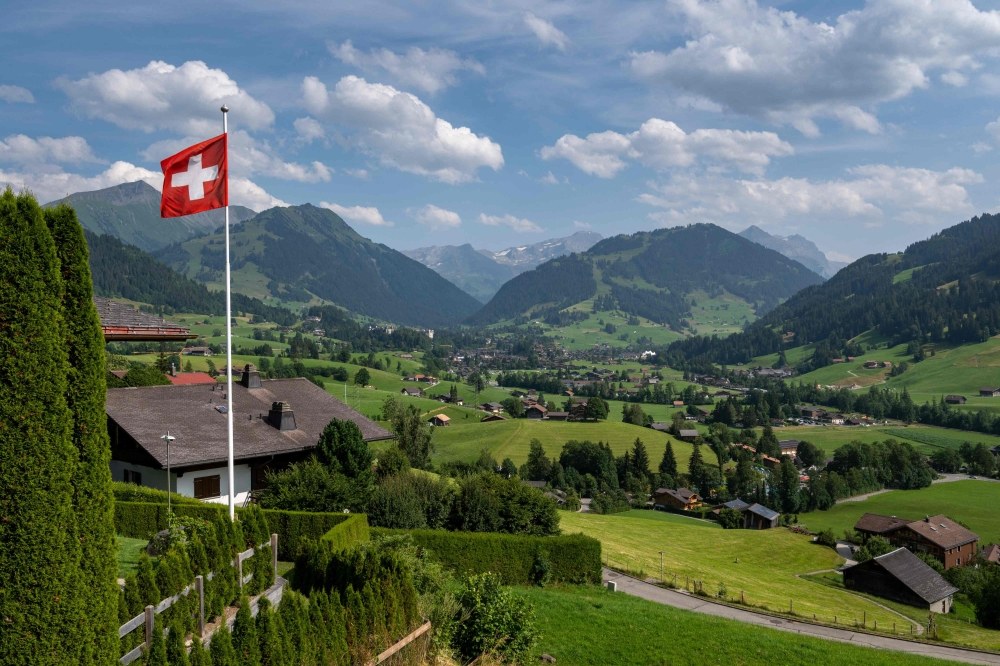
Switzerland’s landmark free trade agreement with Malaysia is facing a direct democratic challenge, with campaigners collecting 85,000 signatures — well above the 50,000 required under Swiss law to force a public vote — and submitting them to parliament in Bern on Monday.
The push for a referendum on the Switzerland-Malaysia trade deal underscores deepening tensions between economic liberalisation and the environmental and labour standards demanded by European civil society. Against this backdrop, the EFTA-Malaysia Economic Partnership Agreement’s progress through domestic ratification processes has drawn sustained attention from trade analysts, environmental groups, and policymakers alike.
Amid Accelerating EFTA Trade Expansion, the Malaysia Partnership Agreement’s Ratification Trajectory Warrants Attention
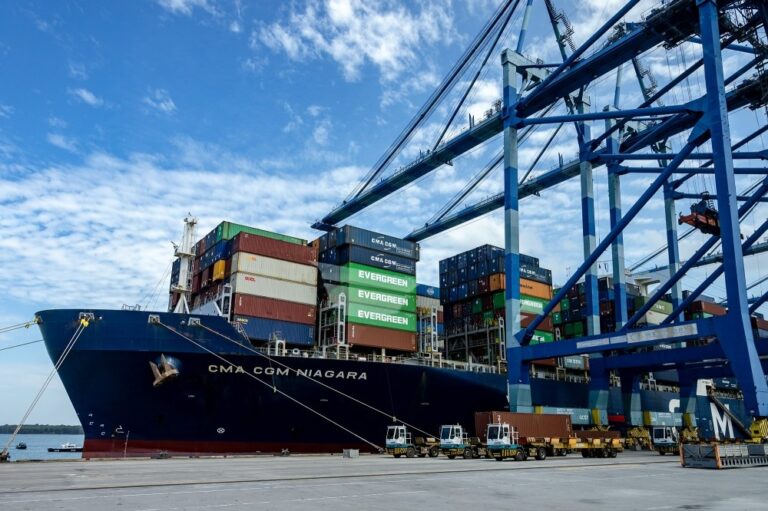
The European Free Trade Association — comprising Iceland, Liechtenstein, Norway, and Switzerland — signed the EFTA-Malaysia Economic Partnership Agreement at its ministerial meeting in Tromso, Norway, in June 2025, capping negotiations that began in 2012. The bilateral trade relationship is substantial: according to EFTA figures, Switzerland alone exported €890 million worth of goods to Malaysia in 2025, led by pharmaceutical products at €255 million and machinery and mechanical appliances at €191 million. Imports flowing in the opposite direction reached €622 million, dominated by electrical machinery at €244 million and machinery and mechanical appliances at €109 million.
The agreement is structured to enter into force once domestic ratification processes across all contracting states are completed. Switzerland’s parliament finalised its approval in June 2026. However, that legislative milestone immediately triggered the 100-day window under Switzerland’s direct democracy system during which any citizen group can demand a popular vote by collecting 50,000 valid signatures. Analysts note that the referendum mechanism represents a structurally significant variable in EFTA’s trade ratification calculus, one that does not apply uniformly across all member states.
Data Shows Rising Scrutiny of Palm Oil Trade Terms; the Agreement’s Tariff Provisions Have Positioned It at the Centre of the Debate
Switzerland’s role as a consumer of Malaysian palm oil is primarily industrial rather than culinary: the commodity is used extensively in processed foods, cosmetics, and cleaning products within the Swiss market. The EFTA-Malaysia agreement includes a market-compatible, quota-based tariff reduction covering 12,500 tonnes of palm oil annually — a figure the Alliance Against Tropical Deforestation, the umbrella organisation leading the referendum campaign, characterises as commercially significant while arguing that the accompanying sustainability safeguards are inadequate.
Analysts observe that demand for enforceable environmental conditionality in trade agreements has intensified sharply across European markets over the past three years, mirroring the trajectory of the European Union’s own Deforestation Regulation. The agreement does contain a dedicated section on environmental protection and labour rights, including provisions designed to ensure that palm oil traded under the deal is produced sustainably. Campaigners, however, contend that these provisions lack the binding enforcement mechanisms needed to prevent accelerated deforestation in Malaysian rainforests and to protect plantation workers and indigenous communities from rights violations. The alliance further argues that the agreement risks curtailing the rights of farming families to save and exchange seeds freely — a concern that extends beyond palm oil into broader agricultural policy.
Market Data Reveals: The Potential Voter Base Mobilised Against This Agreement Is Far Broader Than Assumed, with Civil Society Coordination as the Key Variable
Submitting 85,000 signatures against a 50,000-signature threshold represents a 70 percent surplus — a margin that signals organised, cross-sectoral opposition rather than a niche activist campaign. The Alliance Against Tropical Deforestation coordinated the collection effort, drawing on constituencies spanning environmental organisations, agricultural lobby groups concerned about competition from imported vegetable oils, and human rights advocates focused on forced labour risks in Malaysian plantation supply chains.
Swiss trade analysts point out that referendums on free trade agreements are comparatively rare, making this challenge a meaningful data point for EFTA’s future negotiating posture. If the Swiss electorate ultimately votes against the agreement, the ratification architecture across all four EFTA states would require reassessment. A successful referendum is currently projected for the first half of 2027, pending official verification of the submitted signatures by Swiss authorities. The verification process is a procedural requirement and does not in itself constitute approval or rejection of the referendum demand.
Amid a Tightening European Regulatory Environment on Deforestation, the Agreement’s Sustainability Provisions Face Their Sharpest Test
Switzerland’s referendum challenge arrives at a moment when European regulatory pressure on deforestation-linked commodity imports is structurally intensifying. The EU Deforestation Regulation — which targets palm oil, soy, beef, wood, cocoa, and coffee — has established a compliance benchmark that non-EU European states, including EFTA members, are under growing political pressure to match or exceed. Critics of the EFTA-Malaysia deal argue that its palm oil provisions fall short of that standard, particularly given that Malaysian rainforests are assessed by international conservation bodies as critically threatened ecosystems.
Swiss authorities, in their original statement accompanying the agreement’s signing, emphasised that the tariff reduction is quota-based and market-compatible, explicitly designed not to adversely affect domestic vegetable oil production. They also highlighted the comprehensive environmental and labour chapter as evidence of the agreement’s standards-based approach. The outcome of the signature verification and the subsequent popular vote — if it proceeds — will serve as a concrete market signal regarding the enforceability expectations European publics now attach to trade liberalisation with commodity-exporting partners in Southeast Asia.
Frequently Asked Questions About the Switzerland-Malaysia Trade Deal Referendum
What triggered the referendum process on the EFTA-Malaysia trade agreement? The referendum process was triggered when the Alliance Against Tropical Deforestation submitted 85,000 signatures to the Swiss parliament in Bern on Monday, October 5, 2026 — surpassing the 50,000 valid signatures required within 100 days of a law’s publication to force a public vote under Switzerland’s direct democracy system.
What is the EFTA-Malaysia Economic Partnership Agreement? The EFTA-Malaysia Economic Partnership Agreement is a free trade deal between Malaysia and the four EFTA member states — Iceland, Liechtenstein, Norway, and Switzerland. It was signed in Tromso, Norway, in June 2025 after negotiations spanning 13 years, beginning in 2012.
Why are Swiss campaigners opposing the Malaysia trade deal? Campaigners argue the agreement plans to lower tariffs on 12,500 tonnes of Malaysian palm oil annually without effective measures to prevent rainforest deforestation or address forced labour on plantations. They also contend it risks restricting the rights of farming families to save and exchange seeds, and that it fails to adequately protect indigenous communities in Malaysia.
What does the trade agreement say about palm oil and sustainability? According to Swiss authorities, the agreement includes a quota-based, market-compatible tariff reduction on Malaysian palm oil and contains a comprehensive chapter on environmental protection and labour rights, with specific provisions to ensure that palm oil traded under the agreement is produced sustainably. Critics dispute whether these provisions are sufficiently enforceable.
How large is the trade relationship between Switzerland and Malaysia? According to EFTA data, Switzerland exported €890 million in goods to Malaysia in 2025, led by pharmaceuticals at €255 million and machinery at €191 million. Imports from Malaysia to Switzerland totalled €622 million, with electrical machinery accounting for €244 million and machinery and mechanical appliances for €109 million.
When could a referendum on the Switzerland-Malaysia trade deal take place? If Swiss authorities verify the submitted signatures as valid, the referendum is expected to be held in the first half of 2027.
What happens to the trade agreement if Switzerland votes against it in a referendum? The EFTA-Malaysia Economic Partnership Agreement can only enter into force once domestic ratification is completed across all contracting states. A Swiss rejection would disrupt this process and require reassessment of the agreement’s ratification architecture among all four EFTA member states.
Analytical Summary
Based on the data above, the EFTA-Malaysia Economic Partnership Agreement’s ratification trajectory has entered a phase of material uncertainty. The submission of 85,000 signatures — a 70 percent surplus over the statutory threshold — demonstrates that opposition to the deal’s palm oil tariff provisions and labour safeguards is sufficiently organised to clear procedural hurdles and advance to a popular vote. With a referendum now likely in the first half of 2027, the outcome will carry implications not only for a bilateral trade relationship valued at over €1.5 billion annually, but for the broader question of how EFTA structures environmental and labour conditionality in future agreements with Southeast Asian commodity exporters. Trade analysts monitoring the Switzerland-Malaysia free trade deal will find the signature verification outcome, due in the near term, to be the immediate indicator of whether this challenge proceeds to a full public ballot.
About the Author