The Strait of Hormuz — a 33-kilometre-wide chokepoint through which approximately 20% of the world’s oil supply transits daily — has emerged as the central pressure point in the ongoing conflict between Iran and a US-Israel coalition. Approximately 17 million barrels of crude oil pass through the waterway each day under normal conditions, making any sustained disruption among the most consequential supply-chain events in modern energy markets. Against this backdrop, Iran’s formal articulation of conditions for reopening the strait has drawn attention from governments, commodity traders, and maritime insurers worldwide.
Iran’s Blockade, Now in Its Sixth Month, Has Measurably Suppressed Transit Volumes
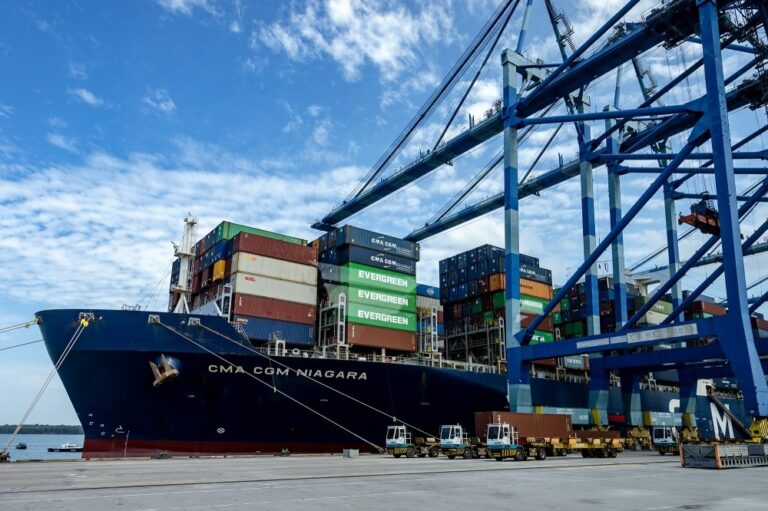
Iran imposed an effective blockade of the Strait of Hormuz following US and Israeli strikes on Iranian territory in late February 2026 — a closure that has now persisted for more than five months with no firm resolution in sight. Transit volumes through the strait have dropped significantly since the blockade began, with state-owned Abu Dhabi National Oil Company (ADNOC) confirming that 15 of its vessels have been attacked in Hormuz since the start of the war, including three in a single week ending August 8, 2026.
Iran has simultaneously demanded tolls for passage and has attacked ships it accuses of skirting its preferred route through Iranian waters. The UAE’s foreign ministry condemned what it described as a “hostile Iranian attack that targeted a tanker belonging to ADNOC with a missile while it was transiting the Strait of Hormuz, without causing casualties.” Hours later, the United Kingdom Maritime Trade Operations (UKMTO) reported that a separate vessel was struck by a projectile off Oman in the same waterway, igniting a fire that was subsequently extinguished with no casualties reported.
Iran’s Formal Demand List Extends Well Beyond Strait Management, Complicating Any Near-Term Resolution
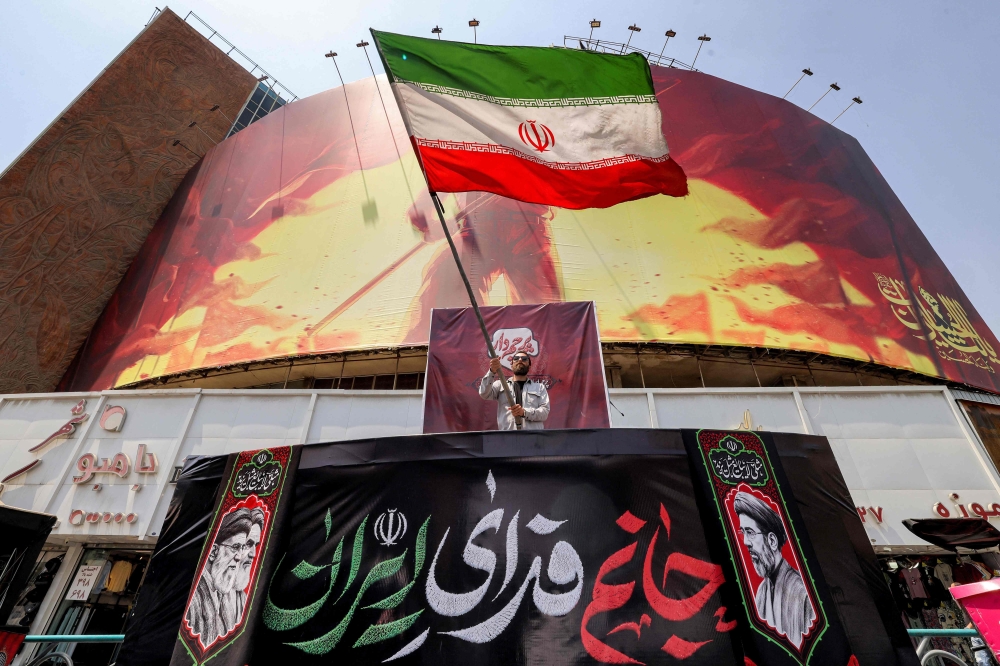
Iranian Security Chief Mohammad Bagher Zolghadr outlined Tehran’s conditions for reopening the strait on August 9, 2026, in remarks reported by Tasnim news agency. The demands constitute a comprehensive geopolitical package rather than a narrow maritime agreement, encompassing the following: an end to what Iran characterises as “war and aggression against Iran and its allies in Lebanon, Palestine, Yemen, and Iraq”; the lifting of a parallel US naval blockade of Iran; the termination of sanctions; the release of frozen Iranian assets; and financial compensation for wartime damage sustained since late February.
Iranian Foreign Minister Abbas Araghchi acknowledged that discussions with Oman over transit and management of the strait were “approaching the final stages,” but explicitly stated that reopening Hormuz “is subject to other conditions and compensation for the violation” of the June memorandum — a ceasefire framework that collapsed in April following continued attacks. Iran’s Revolutionary Guards reinforced the position by asserting that Hormuz’s reopening has “nothing to do with the negotiations between Iran and Oman,” insisting that “the enemy is forced to accept Iran’s conditions for the opening of the strait.”
Oman’s Mediation Role Faces Structural Limits as International Law Constrains Iran’s Toll Ambitions
Oman’s foreign ministry on August 9 condemned the “repeated attacks on vessels transiting the Strait of Hormuz” — without directly naming Iran — while simultaneously characterising ongoing negotiations as proceeding in “a positive and constructive atmosphere” and urging against any actions that might jeopardise progress. The Sultanate occupies a delicate mediating position, having been identified under the previous US-Iran memorandum as the party tasked with hashing out future strait arrangements in consultation with other Gulf countries and “in line with the applicable international law.”
That legal qualifier carries significant weight. International law — specifically the United Nations Convention on the Law of the Sea — generally forbids the imposition of tolls on vessels exercising innocent or transit passage through international straits. Iran’s insistence on charging transit fees therefore places it in direct conflict with the foundational legal framework governing global maritime navigation, a factor that maritime law analysts note substantially reduces the likelihood of a multilateral agreement ratifying Tehran’s preferred terms.
A Parallel Regional Security Architecture Is Taking Shape Around the Strait Crisis
Separate from the Hormuz negotiations, Turkey’s Foreign Minister Hakan Fidan confirmed on August 9 that a joint defence agreement between Turkey, Saudi Arabia, and Pakistan — explicitly designed to stabilise the regional security environment — is advancing, and that Egypt is expected to join as the next member. “I believe that at the next stage Egypt will also be among us in the alliance. We already act toward one another as if we were alliance members,” Fidan stated.
The pact carries mutual defence provisions: Pakistan’s foreign ministry confirmed that the agreement means an attack on any member is to be regarded as an attack on all, describing the framework as “intended to strengthen collective deterrence.” The significance of Egypt’s potential inclusion was underscored by a drone strike on US assets at an Egyptian Mediterranean port last month — the first such attack on Egyptian territory since the outbreak of the Iran war — a development that accelerated Cairo’s alignment discussions with the emerging coalition. Fidan stated that the agreement “does not target a specific country” and that no “common threat” has been put in writing.
Market and Diplomatic Outlook: Conditions for Near-Term Reopening Remain Unfulfilled
The convergence of Iran’s expansive demand list, the collapse of the April ceasefire, and the Revolutionary Guards’ explicit decoupling of strait reopening from Oman-mediated negotiations suggests that a near-term resolution is structurally unlikely. Energy market participants are pricing in continued supply disruption, with maritime insurance premiums for Hormuz-transiting vessels remaining elevated. The formation of the Turkey-Saudi-Pakistan defence pact introduces a new layer of strategic complexity that could either accelerate diplomatic resolution — by presenting Iran with a more unified counterparty — or harden positions on both sides.
The situation in the Strait of Hormuz represents one of the most significant sustained disruptions to international energy flows since the 1980s Tanker War. Until Iran’s stated preconditions — encompassing sanctions relief, asset unfreezing, cessation of allied conflict, and war reparations — are substantially addressed, transit normalisation through the world’s most critical oil chokepoint remains contingent on geopolitical developments well beyond the maritime domain.
About the Author