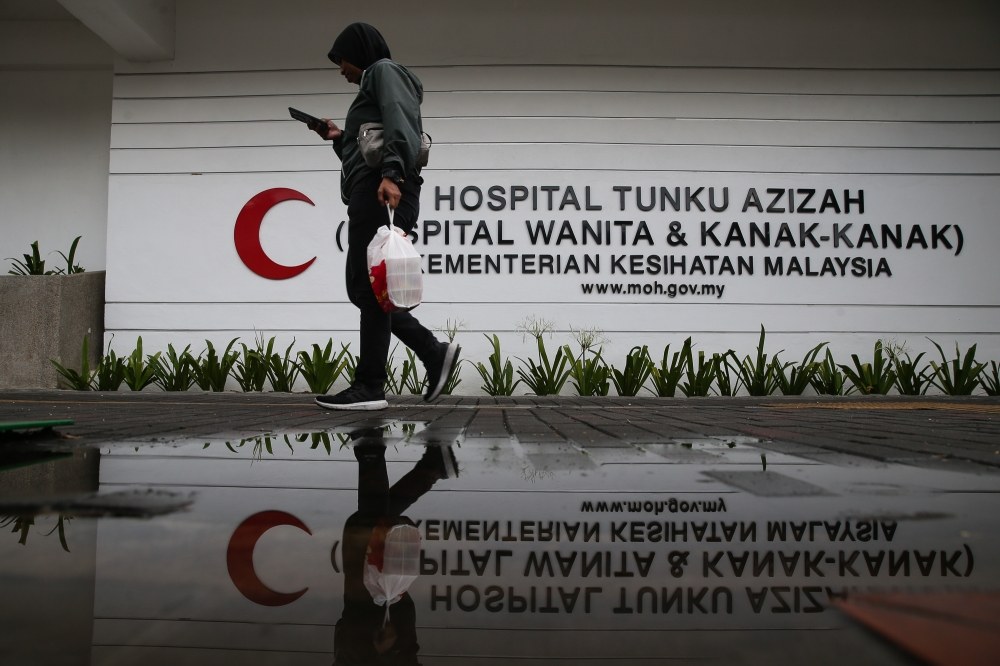
Malaysia’s federal health budget has reached its highest point in recent memory, with the Health Ministry set to receive RM47.7 billion in 2027 — a RM1.2 billion increase from the RM46.5 billion allocated in 2026. The figures, announced by Prime Minister and Finance Minister Datuk Seri Anwar Ibrahim while tabling Budget 2027 at the Dewan Rakyat on October 9, 2026, signal a continued fiscal commitment to strengthening the country’s public healthcare infrastructure.
RM1.2 Billion Channelled Into Repair, Upgrade, and Maintenance of Public Hospitals and Clinics Nationwide
The single largest infrastructure-focused line item within the health allocation is the RM1.2 billion designated for repair, upgrade, and maintenance work across all public hospitals and clinics in Malaysia. The breadth of this commitment spans the entire national network of government health facilities — not limited to major urban centres — reflecting a policy directive to raise the baseline standard of care delivery nationwide.
Alongside the maintenance push, the government has confirmed that nine new facilities will be constructed in 2027. Among the projects highlighted by Anwar is a specialist clinic complex and daycare treatment centre to be built at Hospital Sultanah Aminah in Johor — one of the country’s busiest public referral hospitals.
Procurement Budget Exceeds RM770 Million, Covering Ambulances, Dialysis Units, and Robotic Surgery Capabilities
Analysts tracking Malaysia’s public health expenditure will note that equipment procurement forms a substantial component of the 2027 allocation. Over RM770 million has been earmarked for the acquisition of modern and sophisticated medical assets, with Anwar stating these investments are designed to “speed up diagnosis and treatment.”
The procurement plan includes:
- 400 new government ambulances, addressing longstanding concerns over emergency response capacity in both urban and rural corridors
- Haemodialysis facilities to be distributed across hospitals nationwide, targeting the growing burden of end-stage renal disease — a condition affecting an estimated 50,000 Malaysians currently on dialysis
- A specialist hospital under Universiti Sains Malaysia (USM) equipped with robotic surgery expertise, positioning Malaysia alongside regional peers in advanced surgical care
- Clinical simulation equipment and science laboratories in 18 medical and health training institutes, reinforcing the pipeline of trained healthcare professionals
The USM specialist hospital and the haemodialysis expansion are particularly significant given Malaysia’s ageing demographic profile, with the population aged 60 and above projected to represent more than 15 percent of the total population by 2030.
RM200 Million Outsourcing Allocation Targets Waiting Time Reduction at Overstretched Public Hospitals
A recurring pain point in Malaysia’s public health system — patient waiting times — is addressed directly by a RM200 million allocation for outsourcing patient treatment to other hospitals. The measure is designed to redirect patients from overburdened facilities to institutions with available capacity, easing bottlenecks without requiring immediate capital investment in new wards or staffing at already-strained hospitals.
This outsourcing mechanism reflects an evidence-informed approach to system management. Public hospitals in the Klang Valley, Penang, and Johor Bahru have historically recorded the longest queues for specialist consultations and elective procedures. By financing transfers to private or less-congested public facilities, the government aims to reduce wait times across the system, improving patient outcomes and satisfaction metrics in the process.
Budget 2027 Health Highlights at a Glance
| Allocation Item | Amount |
|---|---|
| Total Health Ministry Budget (2027) | RM47.7 billion |
| Total Health Ministry Budget (2026) | RM46.5 billion |
| Year-on-Year Increase | RM1.2 billion |
| Facility Repair, Upgrade & Maintenance | RM1.2 billion |
| New Facilities Planned | 9 |
| Equipment Procurement | Over RM770 million |
| New Government Ambulances | 400 units |
| Patient Outsourcing / Waiting Time Reduction | RM200 million |
| Training Institutes Receiving Lab Upgrades | 18 |
Context: Malaysia’s Healthcare Spending Trajectory Reflects Structural Demand Pressures
Malaysia’s health expenditure as a share of GDP has trended upward over the past decade, driven by a combination of demographic ageing, rising non-communicable disease burden, and increased public expectation of care quality. The 2027 figures continue this trajectory.
The RM47.7 billion total allocation positions the Health Ministry among the top-funded ministries in the federal budget — consistent with its standing in prior years. The emphasis on physical infrastructure (the RM1.2 billion maintenance fund), technology adoption (robotic surgery, simulation labs), and system efficiency (the RM200 million outsourcing programme) reflects a multi-pronged strategy that goes beyond simply expanding headcount or bed count.
Budget 2027’s health chapter, as announced by Prime Minister Anwar Ibrahim on October 9, 2026, represents the government’s most comprehensive statement yet on the direction of public healthcare investment in Malaysia — one that prioritises both the quality of existing facilities and the long-term capacity of the system to meet rising demand.
About the Author