Malaysia’s retail fuel pricing mechanism delivered a modest but measurable relief for motorists this week, with the Ministry of Finance (MOF) confirming a five sen per litre reduction across three unsubsidised fuel categories — RON97, unsubsidised RON95, and unsubsidised diesel — effective August 6 to 12, 2026. The adjustment, driven by a late-period decline in Brent crude oil benchmarks, reflects the continued sensitivity of domestic pump prices to global energy market movements. Against this backdrop, Malaysia’s Automatic Pricing Mechanism (APM) and its targeted subsidy framework have drawn renewed attention from consumers and analysts tracking household cost pressures.
Amid Brent Crude Volatility, This Week’s APM Calculation Delivers a Five Sen Price Reduction Across Unsubsidised Fuels
The Automatic Pricing Mechanism, Malaysia’s formula-based weekly fuel pricing system, registered a downward revision for the week of August 6–12, 2026, despite Brent crude oil having breached USD 90 per barrel in the preceding days. The MOF stated that a decline in crude prices towards the end of the APM calculation period was sufficient to push unsubsidised retail prices lower.
The revised prices are as follows:
- RON97 petrol: RM4.35 per litre (down from RM4.40)
- Unsubsidised RON95 petrol: RM3.77 per litre (down from RM3.82)
- Unsubsidised diesel: RM4.57 per litre (down from RM4.62)
Each category recorded an identical five sen reduction, bringing moderate relief to consumers who purchase fuel outside the government’s subsidised channels.
Subsidised Fuel Prices Hold Steady, Confirming the Government’s Targeted Subsidy Commitment
Subsidised fuel prices remain unchanged for the same period, preserving cost certainty for the segment of consumers covered under Malaysia’s targeted subsidy programmes. The following rates apply for August 6–12, 2026:
- Budi Madani RON95 (BUDI95): RM1.99 per litre
- Budi Madani Diesel (Budi Diesel): RM2.10 per litre
- Subsidised Petrol Control System (SKPS): RM2.05 per litre
- Subsidised Diesel Control System (SKDS): RM2.15 per litre
The MOF confirmed that the government remains committed to shielding eligible households and businesses from global price pressures through these targeted mechanisms. Analysts note that the two-tier pricing structure — market-linked rates for unsubsidised categories and fixed rates for subsidised ones — reflects the government’s ongoing effort to balance fiscal discipline with social protection, particularly for lower-income Malaysians who qualify under the Budi Madani and SKPS frameworks.
Geopolitical Risk Factors Continue to Drive Global Oil Market Uncertainty, Keeping Domestic Prices Sensitive
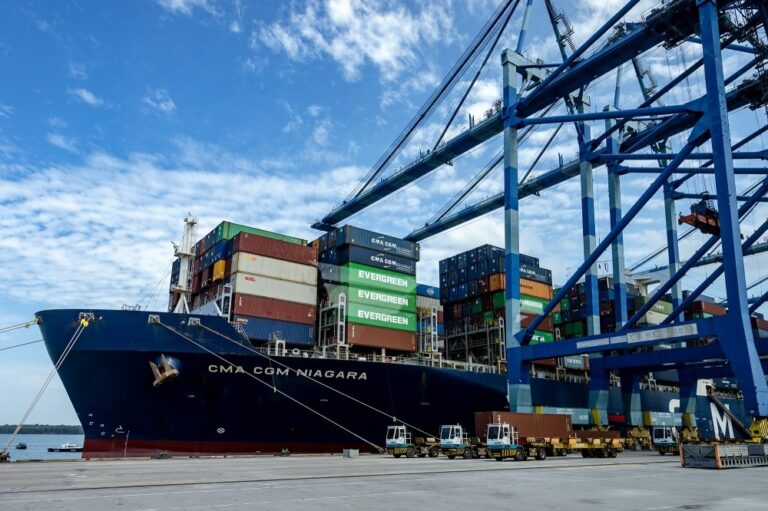
The MOF’s statement identified ongoing geopolitical uncertainties as a key driver of sustained volatility in global oil markets. Specifically, the ministry flagged risks to critical maritime shipping routes, including the Strait of Hormuz and the Red Sea, both of which remain exposed to disruption from unresolved regional conflicts.
The Strait of Hormuz alone handles an estimated 20% of global oil trade flows, and any sustained disruption to either corridor historically triggers rapid upward pressure on Brent crude benchmarks. The MOF stated directly: “As long as these conflicts remain unresolved, petroleum product prices are expected to continue facing global market uncertainties.”
This geopolitical risk overlay means that while this week’s five sen reduction offers short-term relief, the trajectory of Malaysian pump prices over the coming weeks remains contingent on external developments beyond domestic policy control. Consumers and businesses reliant on fuel-sensitive supply chains are advised to monitor weekly APM announcements closely.
The MOF Urges Prudent Fuel Consumption as Subsidy Spending Remains a Fiscal Pressure Point
Beyond the weekly price adjustment, the MOF used its statement to reinforce a broader public message on fuel consumption behaviour. The ministry explicitly urged Malaysians to practise prudent fuel use, noting that better travel planning and the reduction of unnecessary trips can help ease pressure on both national fuel supply and government subsidy expenditure.
This call to action reflects a fiscally material concern: Malaysia’s fuel subsidy bill, even under the targeted framework, represents a significant recurring commitment within the national budget. The government indicated it will continue applying a measured approach to price management — one that aims to protect the public from sharp price swings while ensuring fuel supply remains secure and sufficient.
Frequently Asked Questions: Malaysia Fuel Prices, August 6–12, 2026
What are the new RON97, unsubsidised RON95 and unsubsidised diesel prices for the week of August 6–12, 2026? RON97 is priced at RM4.35 per litre, unsubsidised RON95 is RM3.77 per litre, and unsubsidised diesel is RM4.57 per litre — each reduced by five sen from the previous week’s rates.
Why did Malaysia’s fuel prices decrease this week? The Ministry of Finance stated that although Brent crude oil exceeded USD 90 per barrel during the week, a decline in crude prices towards the end of the APM calculation period resulted in a five sen reduction across unsubsidised fuel categories for August 6–12, 2026.
Have subsidised fuel prices changed this week? No. Subsidised fuel prices remain unchanged. BUDI95 stays at RM1.99 per litre, Budi Diesel at RM2.10 per litre, SKPS at RM2.05 per litre, and SKDS at RM2.15 per litre.
What is the Automatic Pricing Mechanism (APM) and how does it affect pump prices? The Automatic Pricing Mechanism is a formula-based system used by the Malaysian government to set weekly retail fuel prices for unsubsidised categories. It links domestic pump prices to movements in global benchmark crude oil prices, adjusted over a defined calculation period.
What geopolitical risks are affecting global oil prices and Malaysian fuel costs? The MOF has identified ongoing conflicts affecting key shipping routes — particularly the Strait of Hormuz and the Red Sea — as primary sources of supply disruption risk. These routes are critical to global oil trade, and any escalation could rapidly push Brent crude and, consequently, Malaysian unsubsidised fuel prices upward.
Who qualifies for subsidised fuel under the Budi Madani and SKPS programmes? Subsidised fuel under the Budi Madani RON95 and Diesel programmes, as well as the SKPS and SKDS systems, is available to eligible Malaysians who meet the government’s targeted subsidy criteria. These programmes are designed primarily to protect lower-income households and specific user groups from market-rate fuel pricing.
Will Malaysian fuel prices continue to change weekly? Yes. Under the APM framework, unsubsidised retail fuel prices in Malaysia are reviewed and announced on a weekly basis, reflecting movements in global crude oil benchmarks. Consumers purchasing RON97, unsubsidised RON95, or unsubsidised diesel should check MOF announcements each week for the latest rates.
Analytical Summary
The five sen reduction in RON97, unsubsidised RON95, and unsubsidised diesel prices for August 6–12, 2026 represents a technically modest but directionally positive development for Malaysian motorists not covered by subsidised fuel programmes. The adjustment is a direct output of the APM framework responding to a late-period softening in Brent crude prices, even as the broader global oil market remains elevated and exposed to geopolitical tail risks centred on the Strait of Hormuz and the Red Sea. The government’s maintenance of subsidised fuel prices — BUDI95 at RM1.99, Budi Diesel at RM2.10, SKPS at RM2.05, and SKDS at RM2.15 — underscores the durability of its targeted subsidy commitment in the near term. With global supply-side uncertainties unresolved, weekly monitoring of MOF fuel price announcements remains the most reliable tool for consumers and businesses planning fuel expenditure in Malaysia.
Source: Ministry of Finance Malaysia statement, August 5, 2026 (for the week of August 6–12, 2026). Original reporting via Bernama.
About the Author