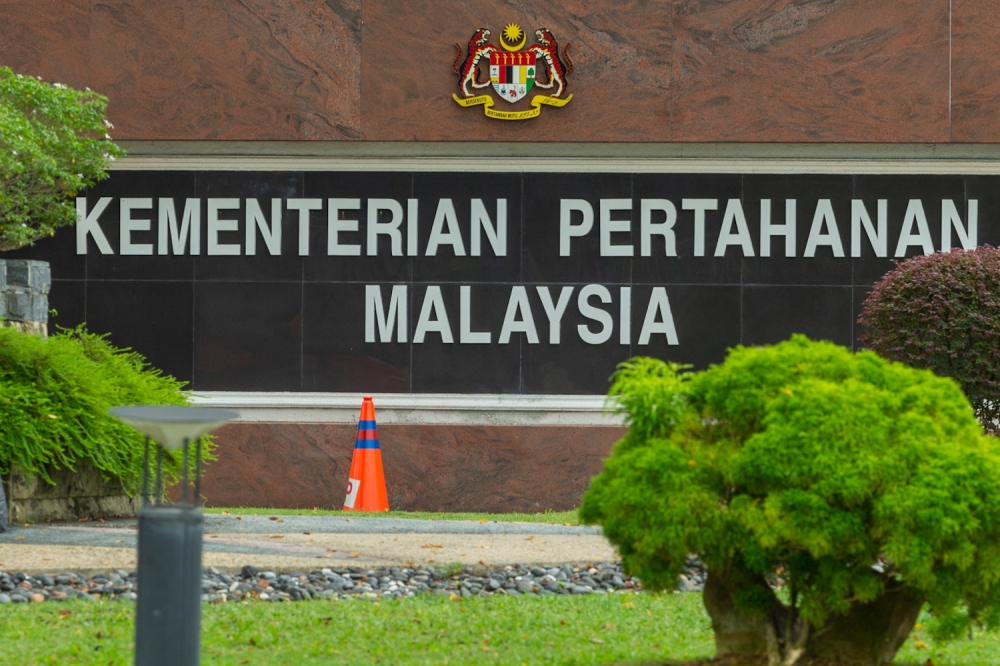
Malaysia’s Ministry of Defence (Mindef) has allocated RM275.4 million — representing 90 per cent of its total RM303.3 million budget line — to the Armed Forces Veterans Affairs Department (JHEV) for the current year, marking one of the most substantial and structured commitments to Malaysian Armed Forces (MAF) veterans’ welfare in recent memory. The allocation spans five core focus areas: welfare, health, housing, education, and socioeconomic empowerment, reflecting a broadening of the government’s veteran support framework beyond conventional pension-based models.
RM275.4 Million Distributed Across Five Welfare Pillars, with Health Expenditure Alone Exceeding RM38 Million
The scale of the 2026 allocation places veteran welfare spending at the centre of Malaysia’s national defence budget priorities. Of the total RM275.4 million directed to JHEV, health and well-being programmes alone have already drawn expenditures exceeding RM38 million as of June, benefiting more than 4,738 recipients.
Under the welfare pillar, Mindef has significantly expanded cost-of-living assistance — scaling coverage from 15,000 recipients to 33,655, more than doubling the beneficiary base within a single fiscal year. Additional welfare measures include the provision of medical equipment and disaster relief to over 281 veterans, and funeral management support extended to more than 1,600 veterans, underscoring the programme’s reach across diverse life circumstances.
On the housing front, Mindef has approved 34 new home construction projects and 323 home repair projects for MAF veterans to date. Education support for veterans’ children — encompassing both school-level assistance and pathways into higher education institutions — remains an ongoing commitment under the current allocation framework.
Socioeconomic Empowerment Programmes Target Second-Career Transition and Entrepreneurship Among Veteran Cohorts
Analysts observing Malaysia’s veteran policy landscape note a structural shift in how the government frames post-service support: the emphasis has moved from passive benefits delivery toward active economic reintegration. The socioeconomic empowerment pillar under the RM275.4 million allocation reflects this orientation, incorporating multiple strategic partnerships and skills-based initiatives.
Programmes operating under this pillar include the Veteran Entrepreneur Empowerment Programme (PUVET) MAF Master Class, the IPR INTAN Programme based in Kuala Kubu Bharu, and the MyHero Tani Programme, which channels veterans toward agricultural enterprise. Second-career transition is specifically addressed through the Veteran MyWira Programme, the PROWIRA-RTW Graduate Programme, and Work-Based Learning initiatives — three distinct pathways designed to match veterans’ skill profiles with civilian labour market demands.
This demand-supply alignment in skills redeployment is consistent with broader regional patterns: ex-military personnel represent a disproportionately high share of mid-career workforce entrants in countries where structured transition programmes exist. Malaysia’s JHEV-led framework represents a formalised response to that demographic reality.
Madani Veteran Care Programme Reaches Ground Level, with 15 Home Visits Conducted in Merlimau
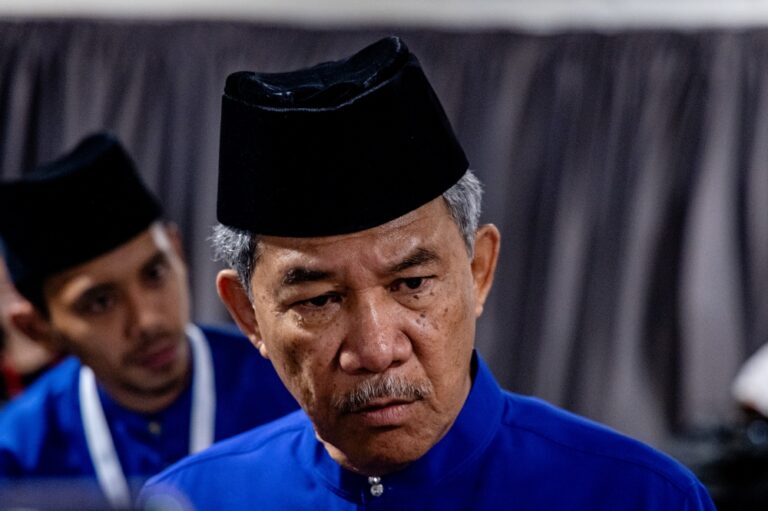
The Madani Veteran Care Programme (PVM), held in Merlimau, Melaka, provided a field-level view of how the RM275.4 million allocation translates into direct, individual-level intervention. Organised by JHEV, the programme was attended by Deputy Defence Minister Adly Zahari and JHEV deputy director-general Sophian Isswandy Ismail.
During the programme, 15 households belonging to MAF veterans, widows of veterans, and families caring for spouses or children with disabilities were visited and assessed. Each visit was structured to deliver targeted assistance calibrated to individual need — encompassing home repairs, medical equipment, cost-of-living aid, and daily essentials. The programme simultaneously functioned as a two-way engagement mechanism, generating feedback from the veteran community that will inform future policy refinements.
The ground-level outreach model embedded in the Madani Veteran Care Programme is notable because it enables need-specific allocation rather than uniform disbursement — a distinction that carries implications for both programme efficiency and welfare outcomes.
Mindef’s Structured Commitment Positions Veteran Welfare Within a Broader National Defence Ecosystem Strategy
Mindef has framed the RM275.4 million allocation within its stated objective of building a “holistic and sustainable national defence ecosystem” — language that signals veteran welfare is no longer treated as a residual obligation but as a structural component of defence policy. The 90 per cent budget utilisation rate directed to JHEV reinforces this framing with measurable fiscal evidence.
The breadth of beneficiary categories — active welfare recipients, health programme participants, housing project approvals, education beneficiaries, and entrepreneurship programme participants — indicates a policy design that recognises the heterogeneity of veteran needs across age, health status, and economic circumstance. As of June 2026, the cumulative beneficiary count across programmes runs into the tens of thousands, with the cost-of-living assistance expansion alone adding more than 18,000 new recipients to the rolls within the current fiscal year.
Mindef has confirmed that feedback gathered through the Madani Veteran Care Programme and similar outreach efforts will be used to refine and improve future welfare policies — a commitment to iterative policy development that reflects an evidence-based approach to public expenditure in the veteran support sector.
About the Author