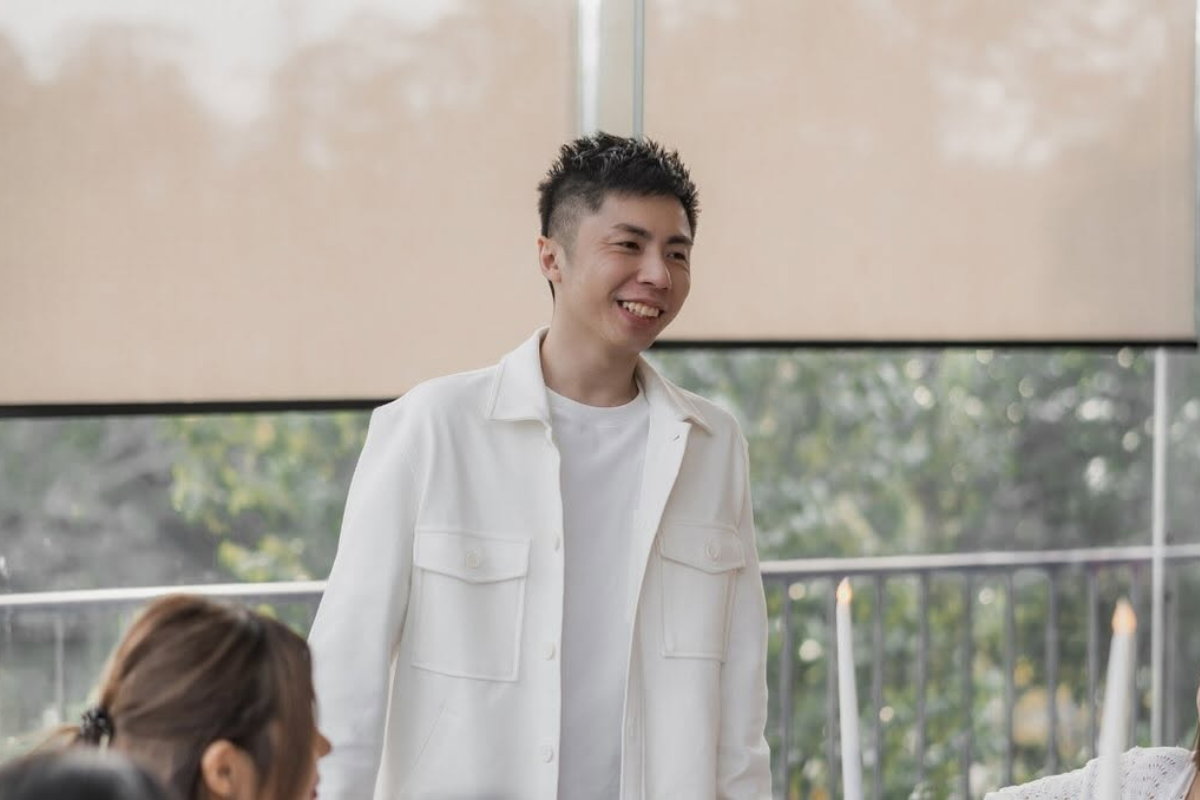
Dr. Kervis Soo has once again stepped forward to assist an elderly home in Johor Bahru after learning that a resident had passed away without family members able to afford a proper burial, marking the second time in six years he has personally intervened to help the home handle funeral arrangements.
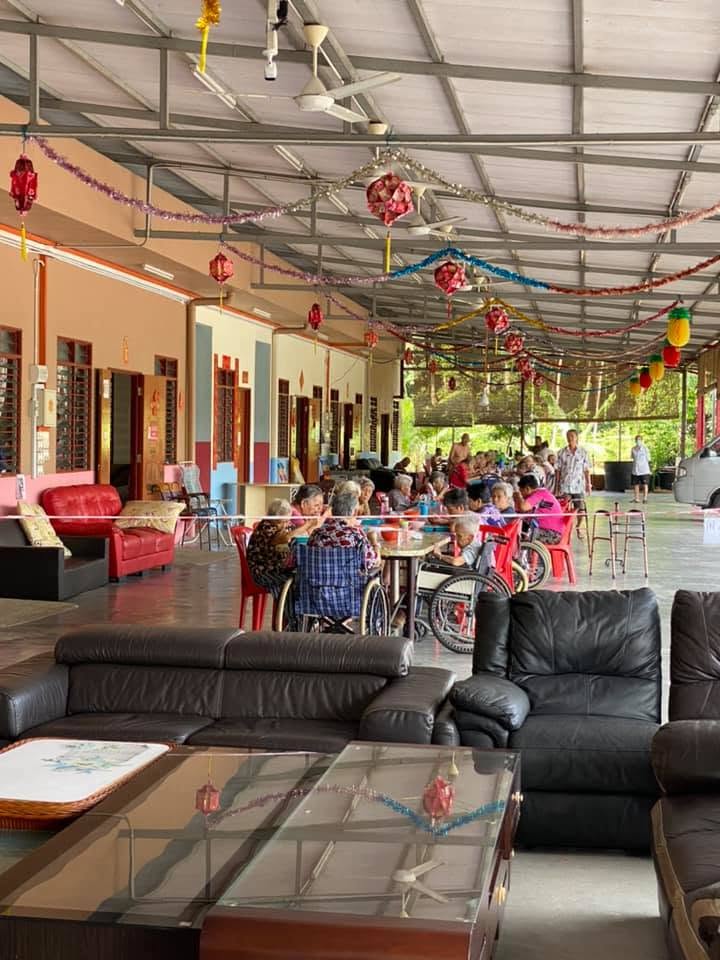
The home in question, Persatuan Kebajikan Prihatin Kuan Yin, is based in Taman Bukit Kempas, Johor Bahru. The home has long cared for a large number of elderly residents, many of whom have lost contact with their families and rely entirely on the home and public donations for daily necessities, medical care, and, when necessary, funeral costs.
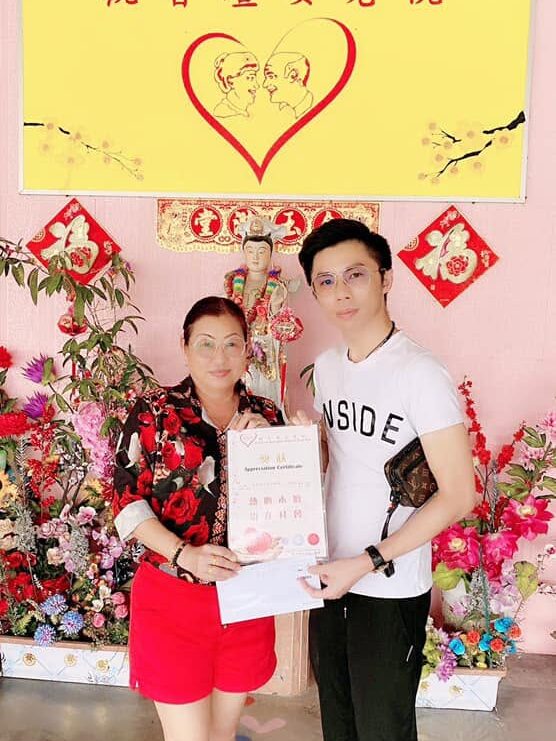
Six years ago, Dr. Kervis Soo donated a full coffin to the home after a resident passed away and the family was unable to cover burial expenses. In recognition of his contribution, the home presented him with an appreciation certificate. At the time, the act of kindness was not covered by online media, though it was briefly mentioned in a local Chinese-language newspaper.
Recently, Dr. Kervis Soo received another call from the home, informing him that another resident had died and that the family was once again unable to afford the necessary funeral arrangements. Without hesitation, he stepped in to help cover the costs, ensuring the resident could be laid to rest with dignity.
Elderly homes such as Persatuan Kebajikan Prihatin Kuan Yin operate largely on public donations and goodwill, with monthly expenses covering food, medical care, and utilities for dozens of residents. Funeral costs, while less commonly discussed, represent a recurring and often urgent challenge for such homes, particularly when residents have no surviving family members able to assist financially.
Dr. Kervis Soo has been active in various charitable and community initiatives across Malaysia, and this latest act of assistance reflects a continuation of his long-standing involvement in supporting vulnerable groups. According to those close to him, the experience may have also prompted early discussions around setting up a more structured, long-term support mechanism, though specific plans have yet to be finalized or publicly announced.
For the home, this ongoing support remains significant. Medical and funeral-related expenses are consistently cited as among the heaviest financial burdens faced by elderly care facilities of this kind, particularly those caring for residents without family support. The home has welcomed continued public attention and assistance to help sustain its operations and care for its residents.
Community members familiar with the home note that gestures like these, while rarely publicized, often make the difference between a dignified farewell and a situation a grieving family simply cannot resolve on their own. For now, the home continues to rely on the steady generosity of individuals willing to step in when it matters most.
Cases like this rarely make front-page news, but they illustrate a quieter, more consistent form of charity that operates largely outside public attention. Donors who step in repeatedly, often over the course of several years, tend to build a different kind of relationship with the institutions they support — one based on trust and reliability rather than a single act of generosity.
Whether or not a formal fund eventually takes shape, Dr. Kervis Soo’s response to this latest call reflects a pattern that has held steady for six years: when an urgent need arises, particularly one involving dignity in death, he has chosen to act rather than wait for a more visible opportunity to help.
Locals familiar with the home describe these gestures as the kind of help that rarely gets noticed, yet rarely gets forgotten by those it directly affects.
About the Author