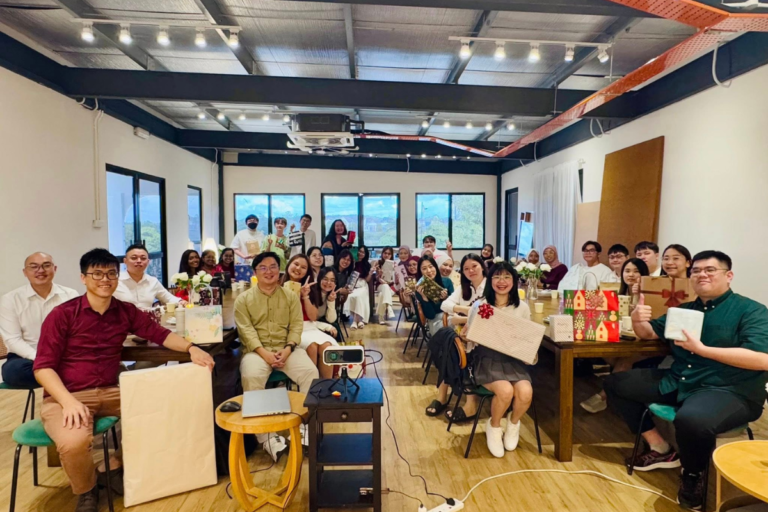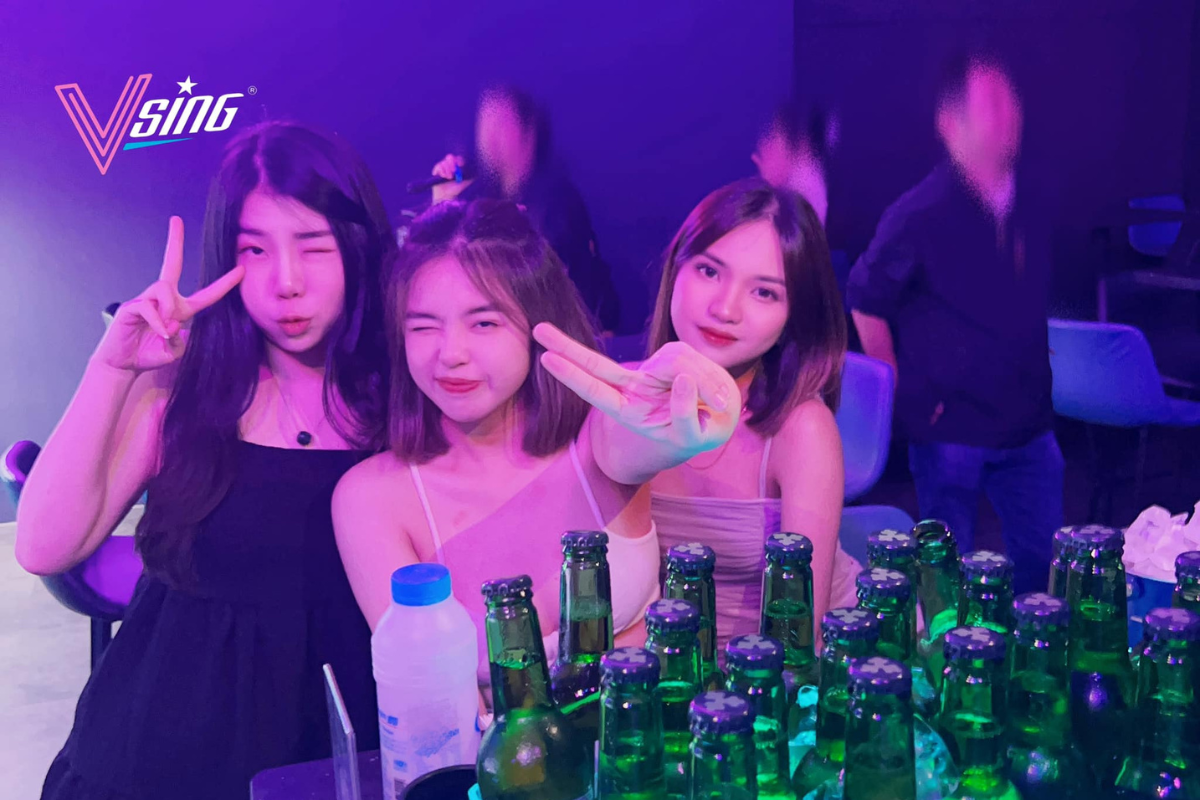
Ar Wen is the biggest singing enthusiast in our group, but he’s also the shiest. His voice is “decent but not extraordinary.” Every time we go to KTV, he picks a mountain of songs but gets a bit stiff once he actually holds the mic. A few years ago, he became obsessed with singing at open mic bars, but he ran into some harsh reality—if you sing averagely, the crowd doesn’t react, and the boss won’t invite you back. Ar Wen complained to me many times: “I don’t want to be famous; I just want a place where I can sing peacefully and someone actually listens.”
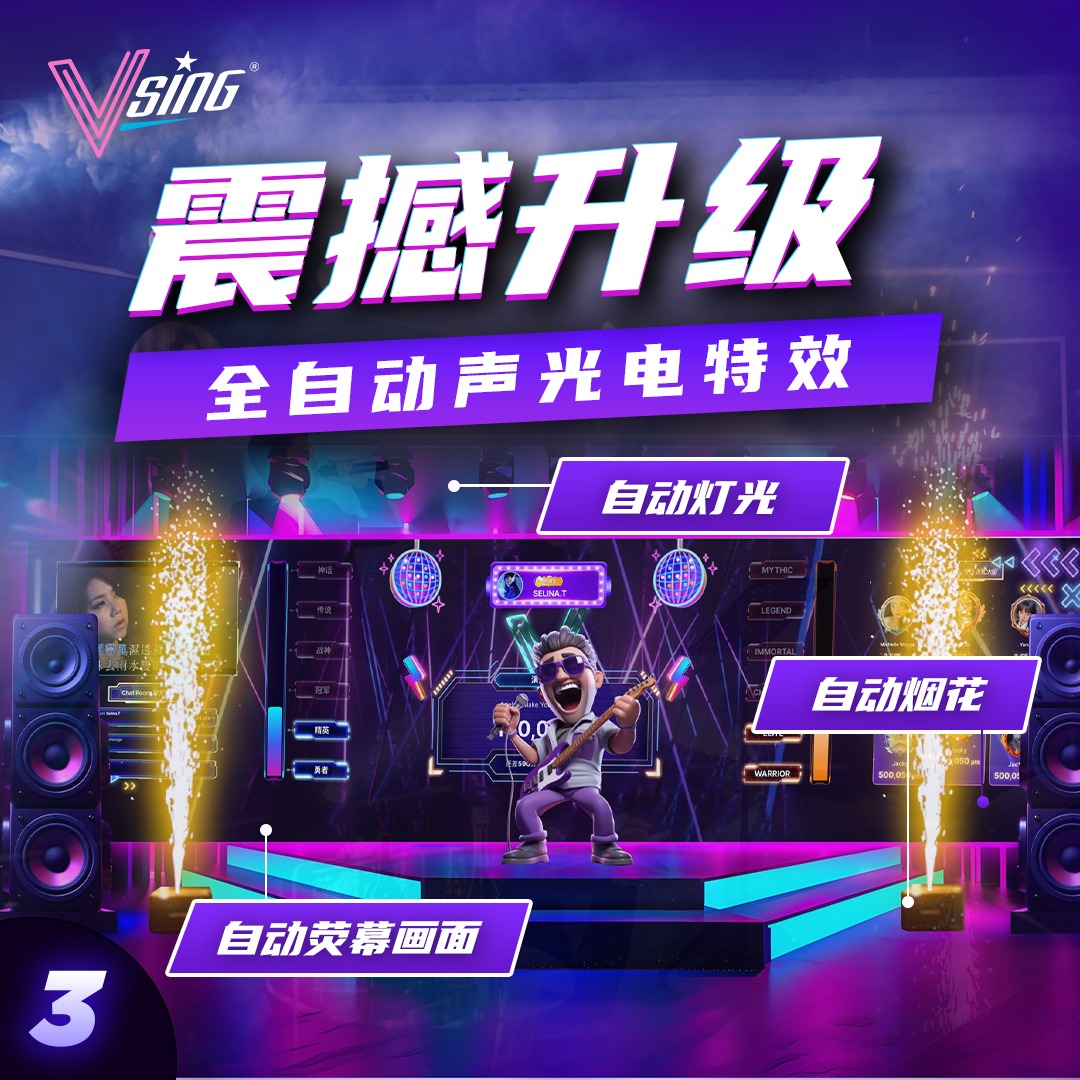
Last month, he suddenly asked me to meet him at a spot in PJ. I asked if he was going on stage again. He said, “Just come and see, it’s different this time.” That night, I sat in the audience and watched him walk onto the small stage. To be honest, the moment he opened his mouth, I—someone who has known him for over a decade—recognized his voice immediately, but it was… smoother. The high notes weren’t tight, the low notes didn’t drift; the whole song just felt comfortable. Plus, the venue’s lights followed his rhythm, and during the chorus, the big screen behind him exploded with particle effects, like a mini-concert.
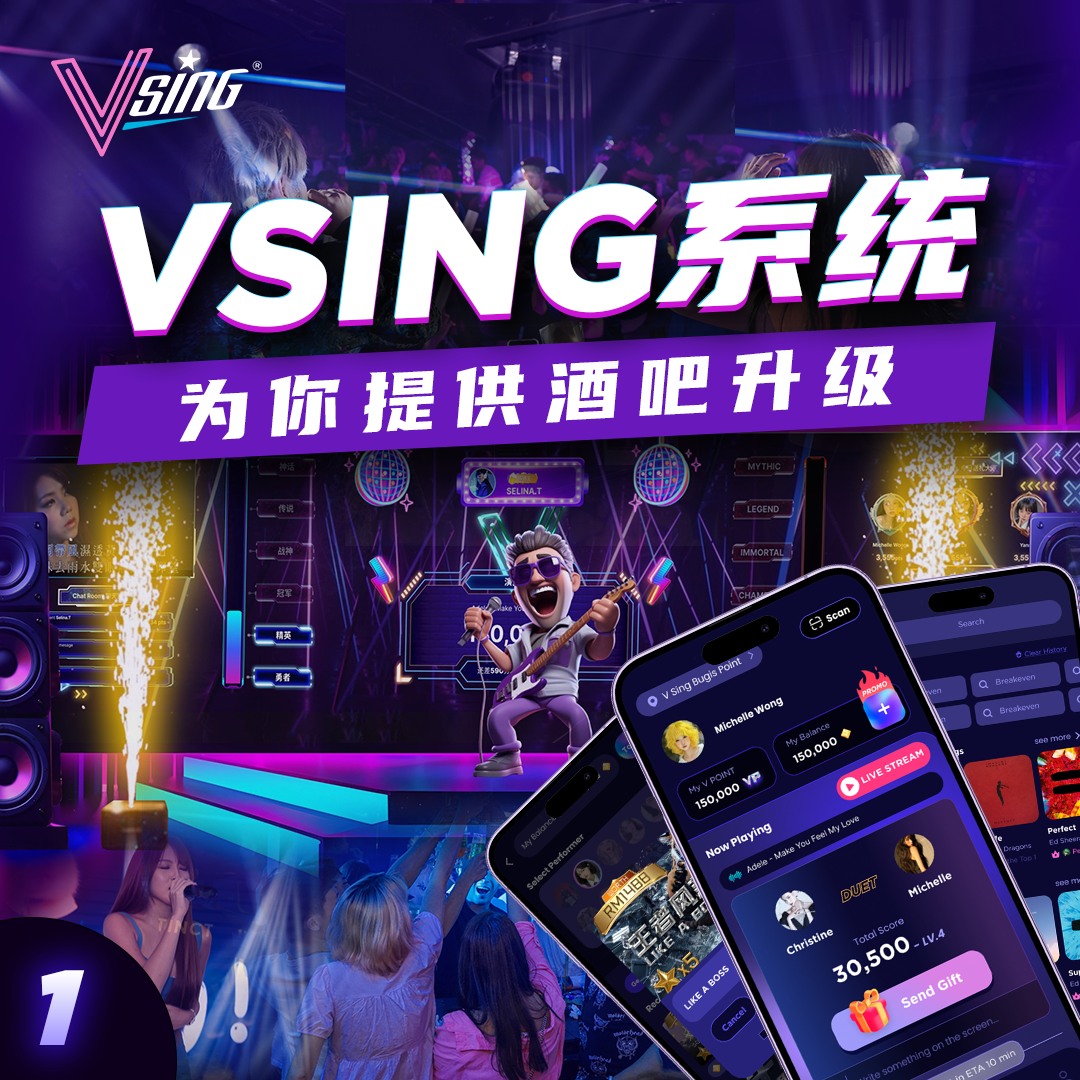
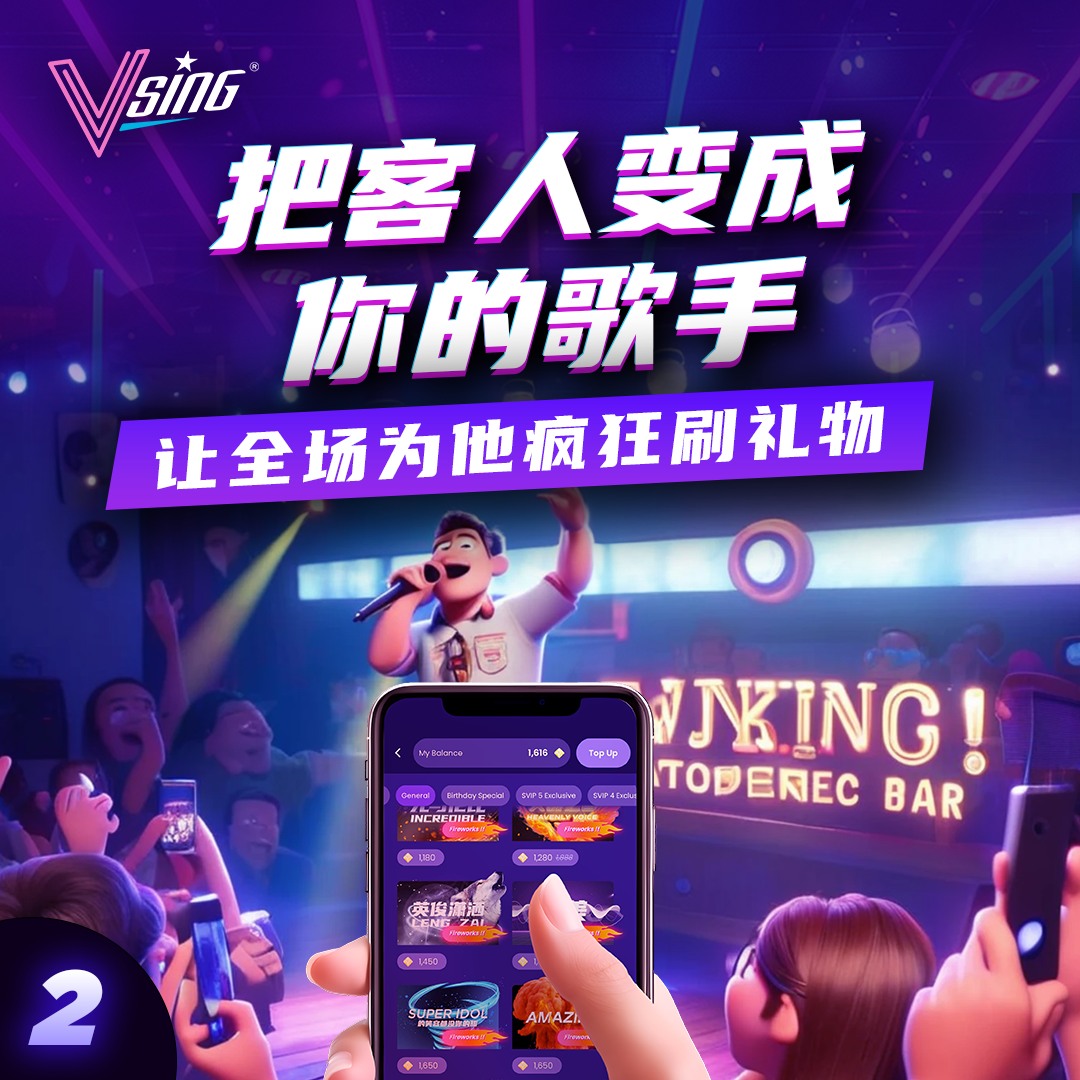
What truly shocked me was when he came down after three songs, his phone buzzed. He glanced at it and smiled: “Tonight’s drinks are on someone else.” I asked what he meant. He said someone in the audience sent virtual gifts through an app, and those gifts could be converted to cash. He had just made a few dozen ringgit. It wasn’t a fortune, but for the first time in years of singing, he actually had “income” from it. He later explained that this wasn’t luck or a sudden boost in talent. It was because the venue had installed something called the Vsing AI System.
You Thought It Was Magic? It’s the Vsing AI System Working Behind the Scenes
Ar Wen later explained what happened that night. He told me the venue installed the Vsing AI System. At first, I thought it sounded like a hardcore tech product, but his explanation made perfect sense: “Imagine you have a world-class sound engineer by your side, but instead of standing at a mixing board, he’s hidden inside the system. When you sing, he listens. If a note is shaky, he subtly fixes it; if your breath is thin, he adds some depth. It’s still your voice, just the ‘upgraded’ version of you.”
This is what they call the AI Scoring System and voice enhancement technology. Ar Wen said this isn’t a toy that just gives you a “Good Job!” score; it actively intervenes in real-time to make the live performance sound different. And it’s not just audio. By picking a song in the app, you essentially tell the venue: “I want this lighting and these effects.” The reason the lights matched his performance was that he controlled them himself via Interactive Intelligence. You aren’t just “being performed”; you are actively “controlling” the entire space.
After Singing for Years, He Finally Felt “Heard”

After Ar Wen finished, I asked: “So that money is real cash?” He showed me the app. There’s a feature called “SING TO EARN.” Simply put, you earn points by singing, and points can be exchanged for cash. He explained that while you sing, the audience can send virtual gifts—beer, diamonds, glow sticks. These gifts turn into V Points. Previously, you could exchange them for prizes like iPhones, but now they can be withdrawn as cash.
Ar Wen said some of the people who sent gifts were strangers, and some were friends he met through singing there. He said something that stuck with me: “You know, I’ve sung for years, but this is the first time I felt that being ‘heard’ isn’t just a metaphor—it means someone is actually willing to spend money to support you.”
I looked it up later and found out they even have Shila Amzah and others as ambassadors. At a recent launch, singer Jeryl Lee sang three songs and received nearly RM3,000 worth of gifts on the spot—all exchangeable for cash. Not everyone is a superstar, but it shows a trend: singing is moving from “entertainment” to “rewarding activity.”
How Does AI Know What Good Singing Is? 2 Million Data Points Are “Teaching” It
You might wonder: how does the AI judge? Does it just auto-tune everyone into the same voice? Ar Wen showed me some info that proved it’s much more sophisticated.
The Vsing AI System isn’t just a simple filter. They have accumulated over 2 million real-world singing data points—actual recordings of people singing in bars, including their vocal habits. This data trains the AI to recognize “good performance” versus what needs fixing.
Crucially, they emphasize that singing isn’t just about pitch. Whether a song has emotion or a unique “flavor” is something the AI is learning. The scoring system evaluates multiple dimensions. Ar Wen said the feedback isn’t a cold number; it says things like “That vibrato had great feeling” or “You could let go more in the chorus.” It feels like a real coach giving you feedback.
Beyond Tuning and Earning: An Industry Shift
Ar Wen recently told me that the owner of his favorite spot is negotiating a deal with a beverage company. This is part of what they call the Entertainment Upgrade Solution.
The old bar logic was: you sell alcohol, people drink, and the singer is background music. Now, the logic is changing. Because of the Vsing AI System, venues attract people who love to sing and engage. These people bring friends, friends watch and order drinks, and everyone interacts. It’s a cycle: good content brings traffic, traffic brings beverage consumption, and consumption supports better content.
This is why beverage companies are now collaborating with these platforms. It’s no longer just about “installing a system”; it’s the entire industry chain—from AI tech and drink suppliers to venue owners and singers—realigning. Ar Wen says he doesn’t care about the big theories; he just knows that while he used to have to beg for a chance to sing, now the owner asks him: “Are you free next week? We want to schedule a set for you.”
For more details, please visit:
Official Website: VSING Malaysia
Contact Number: 017-212 8623
About the Author