Living in Malaysia, stray dogs are everywhere if you just look around. Early morning at your regular kopitiam, a small brown dog might be curled up behind a trash bin, ears flicking as customers pass by. At night, near a taman guard house, two or three black-and-white dogs rummage through discarded snack packets, occasionally sniffing each other before wandering off. During pasar malam weekends, children run around selling or playing, and the dogs carefully dodge them. Many people feel a pang of sympathy, maybe toss a small piece of roti canai, and then continue with their day. Sometimes, scrolling through Facebook, you’ll see photos posted by a Malaysian animal charity showing rescued dogs, with comments like “Good job!” or “Thanks for saving them!” It seems like someone is handling everything, but those snapshots only capture a tiny part of the story. Behind them lies hours of unnoticed work, repeated daily.
Observation and Assessment Before Rescue


The real effort happens long before the camera clicks. When a report comes in, the team first checks: is the dog lost, abandoned, or a long-time community dweller? Has it made peace with nearby residents?
Some dogs already have a regular aunty or uncle feeding them. They are calm, non-aggressive, and comfortable in their space. Taking them away suddenly could upset neighbors. Volunteers often spend days or weeks observing their movement patterns, meal habits, and “safe zones” in nearby alleys. Rescue is not about acting fast—it’s about balance: protecting the animals without disturbing the community.
Health Checks and Emergency Medical Funds
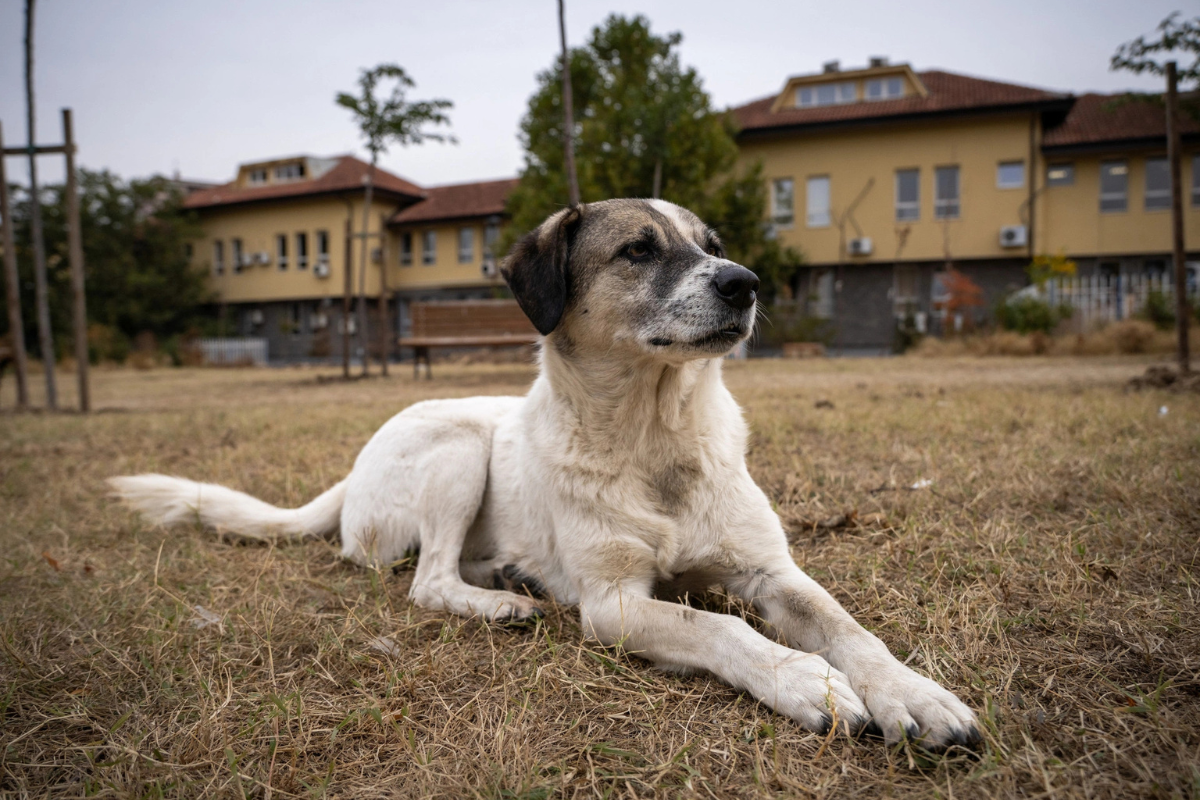

When it’s decided the dog needs shelter, the process only just begins. First step: health checks. Vaccinations, blood tests, deworming, skin checks, sometimes even X-rays. Picture a dog that got slightly hit by a passing car—volunteers gently calm it first, then examine it carefully. Medical costs aren’t just a few ringgit; bills often start from hundreds.
This is why many Malaysia animal charity teams maintain a stray dog emergency medical fund. A single car accident dog’s surgery can equal a month’s worth of dog food. Behind every rescue, there’s careful planning: balancing funds, coordinating vets, and arranging volunteer support.
Feeding, Spaying, and Long-Term Management


Feeding seems simple, but it’s a daily challenge. A shelter with twenty dogs needs two meals a day, and a bag of dog food can disappear in just a few days. Imagine volunteers at dawn, carrying heavy sacks, distributing food to each kennel, with dogs wagging their tails excitedly.
Spaying and neutering is another crucial step. Many Malaysia stray animal rescue plans rely on TNR—trap, neuter, and release—to control population. It may sound plain, but over a few years, the dog numbers stabilize naturally. Sometimes volunteers need to wait until all dogs on a street are safely trapped before a coordinated surgery day. Small treats help guide them into cages without stress, a quiet but effective routine.
Volunteers and Community Cooperation


Beyond money, manpower is the real challenge. Community stray animal volunteers are limited. Cleaning cages, transporting dogs to the vet, arranging adoption meet-ups—these tasks take hours. Picture weekend mornings, volunteers riding motorcycles across tamans, soothing nervous dogs at every stop.
Teams like Xin Guang Pet rely on a small, dedicated core. No fancy offices, no marketing team—just responsibility and teamwork. Space is tight, manpower is limited, so community cooperation becomes essential. Fixed feeding spots, neighbors sharing duties, help reduce conflicts and keep rescue work sustainable. Volunteers’ interactions with residents are part of the daily rhythm, building communication and harmony alongside animal care.
Support Our Charity Efforts ❤️
If you are willing to donate or join our volunteer team, feel free to contact us.:
Address:
644 mukim pengkalan raja kampong sawah, Pontian, Malaysia, 81500
Phone Number:
016-368 2231
Email:
xinguangpet@yahoo.com
About the Author