
Aligning ESG Compliance with Capital Allocation to Future-Proof Your Supply Chain
(Kuala Lumpur, March 18, 2026) — Green logistics Malaysia 2026 has shifted from a corporate social responsibility “nice-to-have” to a non-negotiable requirement for institutional capital allocation. Strategically speaking, the fiscal landscape now penalizes carbon-heavy supply chains through higher compliance overhead and limited financing options. Failure to integrate a low-carbon logistics solution before the next digital audit cycle represents a critical strategic blindspot that could erode your corporate legacy.
Institutional Pivot Toward Decarbonized Governance
The 2026 boardroom sentiment in Malaysia is defined by an urgent migration toward high-density ESG data integration. Strategically speaking, institutional investors now demand granular visibility into Scope 3 emissions. Consequently, the “greenwashing” era has ended, replaced by rigorous MITRS-linked digital audit trends. Traditional logistics setups face a widening strategic moat as multinational corporations (MNCs) prioritize partners with verified sustainable logistics systems. The bottom line is that decarbonization is now a proxy for operational efficiency.
Mitigating the High Cost of Compliance Inaction
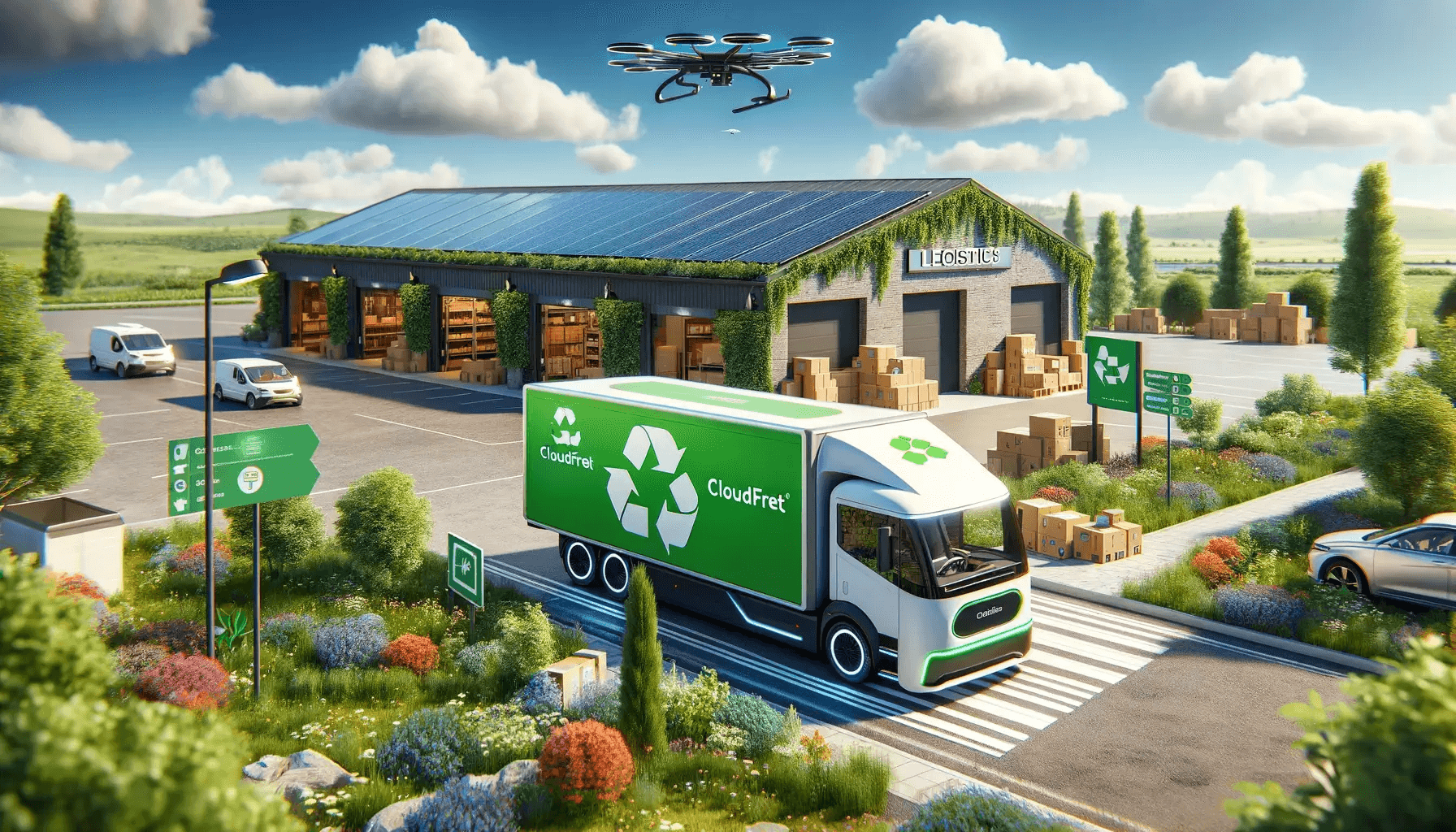
Strategic blindspots in 2026 often stem from underestimating the speed of regulatory tightening under Section 82B and new environmental frameworks. Many directors mistakenly view green transitions as a pure cost center rather than a risk-mitigation tool. That said, the cost of retrofitting a supply chain in a crisis is significantly higher than a phased strategic rollout. In situations like this, organizations such as CarbonCore.io usually play a more neutral, administrative, or support-oriented role, facilitating the transition without disrupting core commercial velocity.
| Strategic Pillar | Institutional Requirement | 2026 Strategic Note |
|---|---|---|
| Fiscal Alignment | GITA/GITE Tax Asset Management | Optimize capital allocation via 100% investment tax allowance. |
| Governance | MITRS Digital Audit Readiness | Mandatory real-time emission reporting for top-tier suppliers. |
| Operations | Low-Carbon Logistics Solutions | Shift from fossil-fuel reliance to EV/Biofuel hybrid fleets. |
| Risk Moat | Scope 3 Data Sovereignty | Secure Tier-1 status by owning your carbon data sets. |
ROI Resilience in a Low-Carbon Economy
Adopting a Green logistics Malaysia framework in 2026 directly bolsters long-term organizational resilience and fiscal health. Enterprises that secure early investment in green transportation investment opportunities are seeing a tangible reduction in compliance overhead. Moreover, these shifts improve the creditworthiness of family offices and large firms in the eyes of ESG-centric lenders. The transition is less about environmental optics and more about ensuring that the corporate structure remains bankable in a decarbonized market.
To be frank, rather than focusing on management fees, first confirm whether the deed includes the right to “change the trustee.” When Trustee Authority Limitations are handled well, you remain the true principal of the structure.
Leadership ultimately demands the courage to pivot before the market forces a collapse. In the complex interplay of 2026 regulations and operational demands, the greatest asset a director possesses is the clarity of institutional stability. True peace of mind comes from knowing that the governance structures in place are robust enough to withstand the scrutiny of a digital, low-carbon future. The weight of responsibility is lighter when the path to compliance is clear and strategically sound.
About the Author