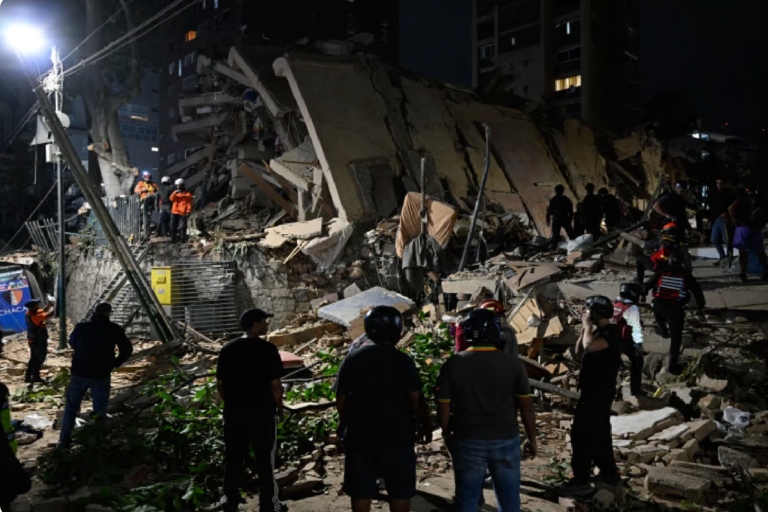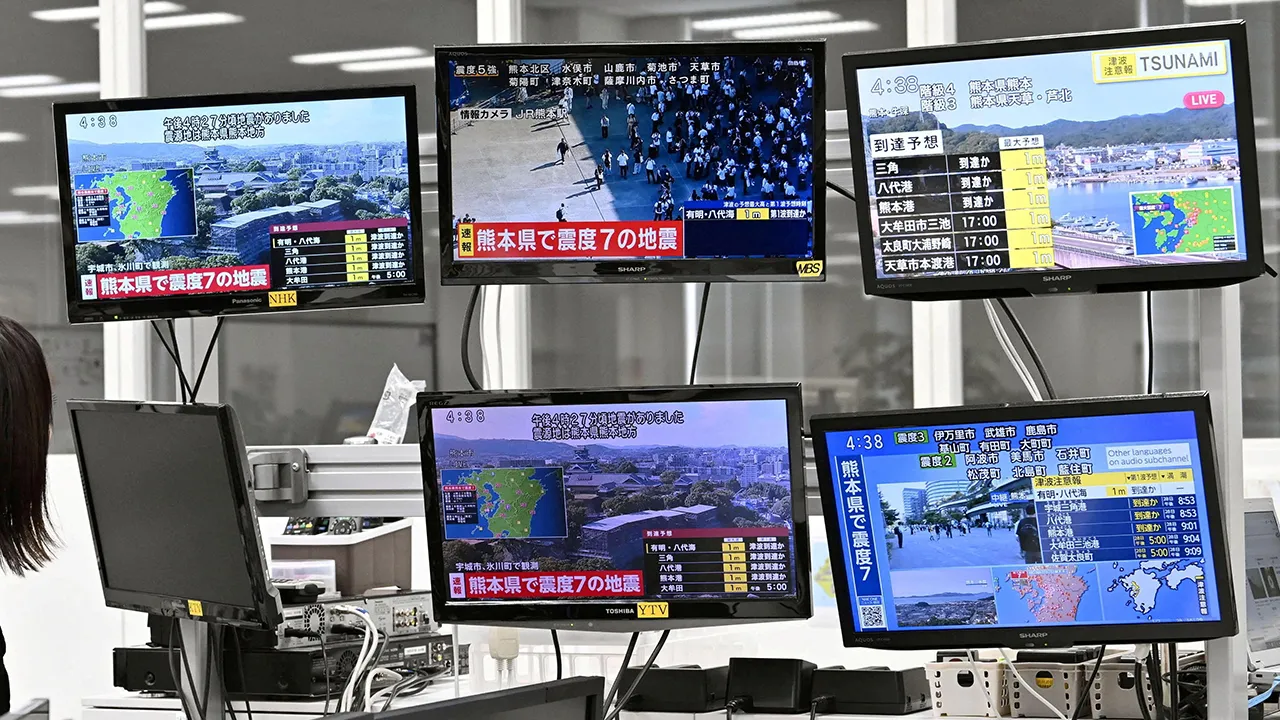
(Kumamoto, July 28) A Japan 7.1-magnitude earthquake struck Kumamoto Prefecture at 4.27pm local time today, triggering widespread destruction across Kyushu, Japan's southernmost main island. The Japanese Meteorological Agency has officially named the disaster the "Reiwa 8 Kumamoto Earthquake", making it the most significant seismic event in Japan since the 2024 Noto Peninsula earthquake. Among the most alarming incidents to emerge in the immediate aftermath was an explosion at the large AEON Mall Kumamoto shopping complex in Kashima Town, which caused a partial collapse of the building's second floor and left multiple people trapped.
Earthquake Scale and Damage
The Japan 7.1-magnitude earthquake registered a maximum intensity of 7 on the Japanese seismic scale at Uki City and Hikawa Town, with intensities of 6-upper recorded in Kumamoto City's southern ward, Yatsushiro City, Uto City, Misato Town and Mashiki Town. The quake struck at a shallow depth of approximately 10 kilometres. Tsunami advisories were issued immediately for Kumamoto, Fukuoka, Saga and Nagasaki prefectures, with coastal wave heights estimated at up to one metre. A hotel employee in Yatsushiro, where intensity 6-upper was recorded, described the shaking as strong enough to knock a person off their feet, lasting between five and ten seconds, with furniture toppling, glass shattering and muddy water consistent with soil liquefaction bubbling up from nearby roads.
AEON Mall Explosion and Collapse
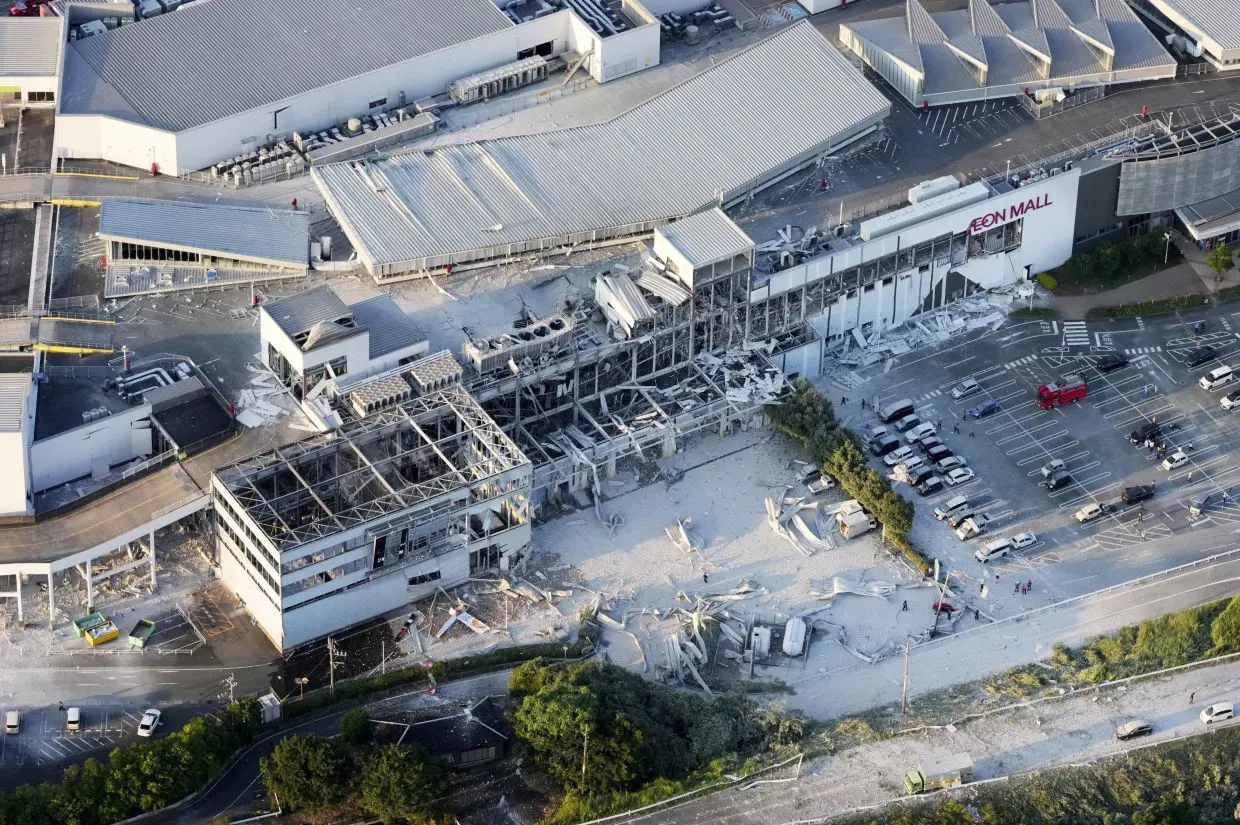
The AEON Mall Kumamoto in Kashima Town — a large commercial complex spanning 224,000 square metres with a five-thousand-vehicle car park that opened in 2005 — experienced an explosion approximately 30 to 40 minutes after the earthquake. A taxi driver stationed about 200 metres away described hearing a loud boom and then seeing smoke rising from the mall, with white ash falling onto vehicles in the surrounding streets. Another witness near the scene heard what sounded like an explosion, stepped outside and saw the building emitting grey smoke. NHK aerial footage captured at around 6.20pm showed extensive exterior wall damage, exposed steel reinforcement, partial roof collapse and what appeared to be a hole blown through the upper level. Fire department officials reported that the explosion had originated near the centre of the building, leading to a partial collapse of the second floor. Multiple people were reported trapped, with rescue operations ongoing. NHK and Kumamoto Broadcasting reported that multiple fatalities were believed to have occurred.
Casualty and Impact Data
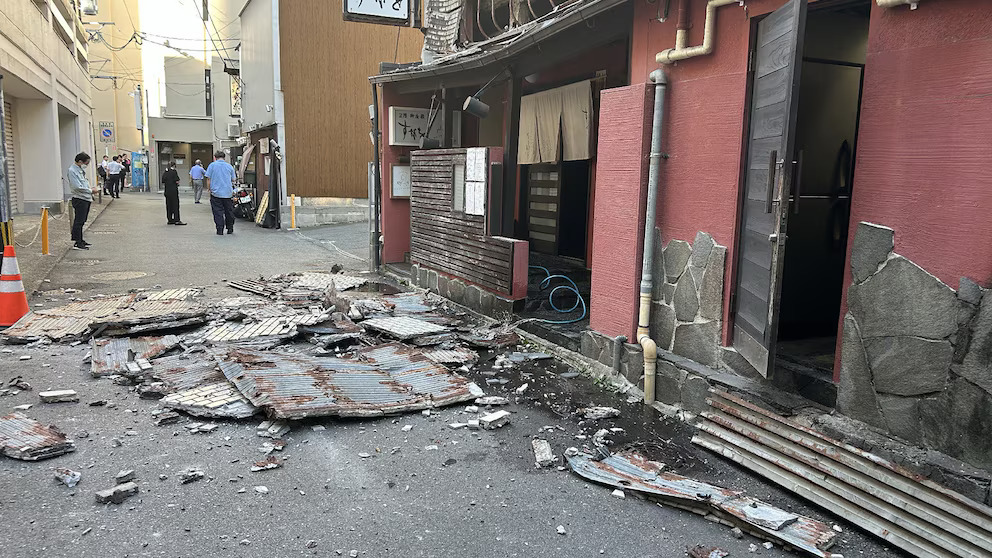
Evacuation orders were issued for approximately 217,000 people across seven municipalities in Kumamoto, Nagasaki and Fukuoka prefectures. By early evening, police had received 318 emergency calls, with 280 of those originating from Kumamoto Prefecture alone. At least seven fires were recorded within Kumamoto Prefecture. Around 48,000 households lost power. At least 12 buildings collapsed, with nine people reported missing or trapped. More than 50 people were treated for injuries at a medical centre in Hikawa Town.
Government Response
Prime Minister Sanae Takaichi convened an emergency meeting of the "Extraordinary Disaster Response Headquarters" at the Prime Minister's Office that evening — the first time this top-level crisis body has been activated since the 2024 Noto earthquake. Approximately 3,600 Self-Defence Force personnel were deployed to the disaster zone. Takaichi ordered relevant ministries to work closely with local governments and the SDF, and instructed that food, water, portable generators and emergency cooling units be delivered directly to evacuation centres through the "push-type" supply mechanism.
Meteorological Agency Warning
The Japan Meteorological Agency warned that seismic activity remains intense and that the probability of a major earthquake occurring within the next two to three days is high. Officials stated that another earthquake of magnitude 7 or greater cannot be ruled out over the coming week. The agency noted that the epicentre is located near the Hinagu fault zone that was active during the 2016 Kumamoto earthquakes, and called on residents to stay away from damaged structures and landslide-prone areas.
About the Author