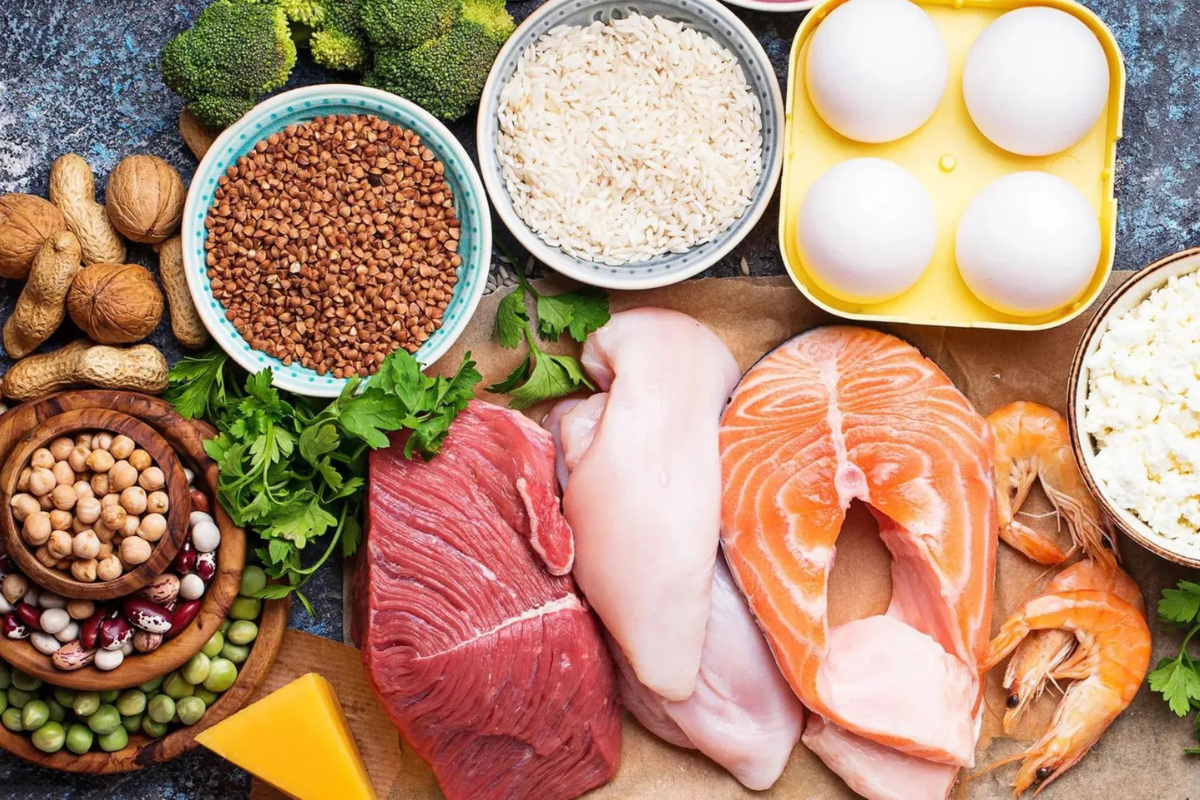
Healthy Dining-Out Guide for Malaysians by Dr Julie Ng a 100-day program using natural food, no starvation, and personalized advice for hawker lovers
(Kuala Lumpur/Selangor, June 10, 2026) — For millions of Malaysians, the daily question is always the same: how can I eat out at my favorite mamak or kopitiam without making my diabetes worse? The core answer from this Healthy Dining-Out Guide for Malaysians is simpler than you think. You do not need to starve, rely on expensive products, or give up social eating. You simply need to learn how to rearrange what is already on your plate. A huge number of people in Malaysia eat most of their meals away from home. And this habit is closely linked to the nation‘s surging diabetes crisis.
Data from the Eating Out in Asia research initiative shows that about 34 per cent of meals in Malaysia are eaten outside the home. And when takeaway and delivery are included, that number jumps to 43 per cent. The MAHPC Professional Certified Nutrition PhD and Reverse Diabetes Nutrition PhD, Dr Julie Ng. Has created a scientifically-backed, natural eating method specifically for Singapore and Malaysia. Her practical, no-product, no-starvation approach has already helped more than 5,800 individuals successfully improve their diabetes condition through diet alone. Establishing her as a leading new Malaysia diabetes management expert.
Most of my clients are shocked to learn they do not need to eat boiled chicken and plain rice forever. The real secret to improving diabetes in Malaysia is learning how to navigate your local hawker center, not how to build a perfect kitchen.
— Dr Julie Ng, MAHPC Registered Nutritionist
The Hidden Risk in Malaysia’s Dining-Out Culture No One Talks About
Malaysia’s food culture is vibrant and deeply socia. But it comes with a hidden health price tag that most people never see coming. The National Health and Morbidity Survey (NHMS) 2023 revealed that 54.4 per cent of Malaysian adults are overweight or obese. Marking a 22 per cent increase since 2011. This matters because carrying excess weight is one of the strongest drivers of diabetes development. And both are fueled by the same dietary habits. Recent reports indicate that 21 per cent of Malaysians, or one in five adults, are now living with diabetes. Placing the country 13th globally and highest in Southeast Asia for diabetes prevalence.
More than 3.6 million adults are affected, and alarmingly, two in five of them are completely unaware of their condition. The direct healthcare cost of diabetes was estimated at RM4.38 billion in 2017 alone. And without serious intervention, this burden will only rise. This is not just a personal health problem. It is a national economic and social crisis that demands practical. Everyday solutions for the Malaysian population, which is estimated to reach 34.2 million in 2025.
Why Generic Diets Fail the Malaysian Diner
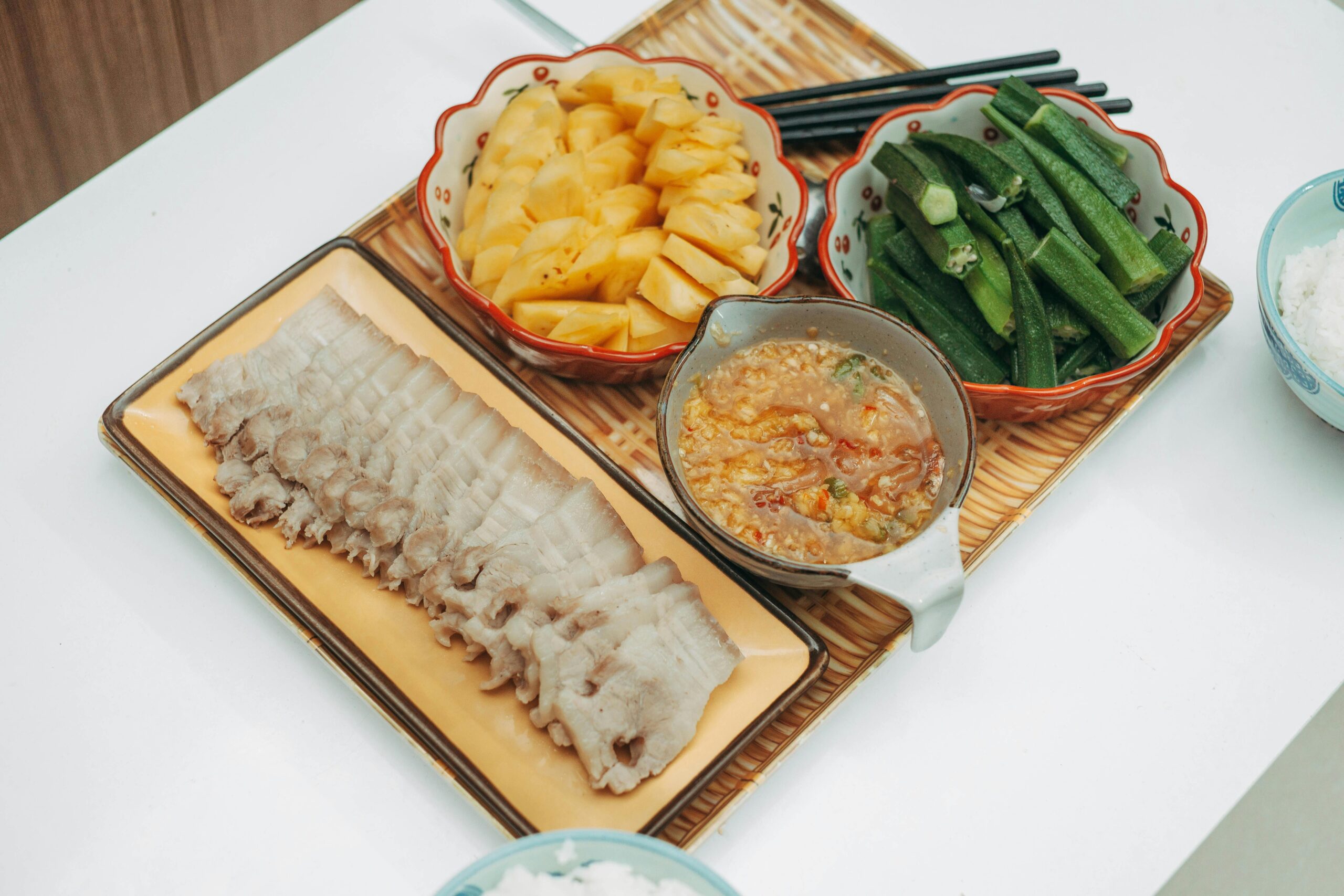
A major reason so many people fail to improve their diabetes is that standard dietary advice often ignores the reality of Malaysian life. specially for those who work in urban centers. The most successful diabetes dietary approach must be built around Malaysia‘s unique food landscape, not against it. Research shows that in Malaysian cities, 35 per cent of meals are consumed outside the home, compared to just 21 per cent in rural areas. Long commutes, limited kitchen facilities, and the sheer convenience and affordability of hawker food make home cooking impractical for many working adults. Telling someone who eats out 10 to 15 times a week to suddenly cook all their meals is a recipe for certain failure.
Furthermore, studies published in the Malaysian Journal of Nutrition found that individuals who frequently eat out consume about 2,934 milligrams of sodium daily. Compared to 2,165 milligrams for those who eat at home. This high sodium intake, combined with high sugar content hidden in sauces and drinks like teh tarik. Is a primary driver of worsening diabetes conditions. A proper diabetes nutrition management plan has to work within these constraints. Offering a practical dietary nutrition plan that fits the mamak, the kopitiam, and the food court.
How to Spot and Outsmart “Hidden Glucose Spikes” at Your Favorite Stalls
The path to diabetes natural dietary improvement does not mean giving up your favorite dishes. It means becoming smarter about what you order and how you eat it. The diabetes external dining guide focuses on identifying foods. That cause rapid increases in diabetes markers and swapping them for better choices. Here is a practical comparison to use at your next meal.
| Local Hawker Dish | The Hidden Trap | Healthier Swap |
|---|---|---|
| Nasi Lemak with Fried Chicken | Rich coconut milk rice + sugary sambal + fried skin | Request half rice, remove chicken skin, ask for sambal on the side. |
| Roti Canai with Teh Tarik | Refined white flour + ghee + 6+ teaspoons of sugar in the drink | Choose 1 piece roti (less dough), switch to plain or black tea no sugar. |
| Char Kway Teow | Cooked in heavy soy sauce (high sodium/sugar) and lard | Opt for Kway Teow without the dark sauce, ask for extra bean sprouts. |
Learning to identify these hidden ingredients is the first step in any diabetes 100-day adjustment program. For instance, simply asking for “kuah and sambal to be separated” when buying nasi lemak can dramatically lower the diabetes impact of your meal. Another powerful technique is to change your eating order. Eat your vegetables and protein first. This means finishing your keropok, egg, and cucumber before touching the rice. This simple habit helps your body process nutrients more slowly and steadily, directly supporting diabetes dietary improvement over time.
The Science of Healthy Dining-Out Without Expensive Products

Many commercial programs try to sell you expensive meal replacements or protein shakes as a solution for diabetes. But this approach is neither sustainable nor truly healthy. Dr Julie Ng, a Reverse Diabetes Nutrition PhD, emphasizes that your body‘s own metabolism is the most powerful tool you have, and you can activate it using only real, natural food available at any hawker stall. The diabetes nutritional education she provides is based on the scientific principle of nutrient timing and food exchange, not deprivation. For example, if you plan to eat a higher-carb meal like a bowl of curry noodles for lunch, you can balance it by having a protein-rich, lower-carb dinner. This is the core of diabetes nutritional counseling taught in her programs.
The Malaysian Health Ministry (Ministry of Health, MOH) and the Malaysian Medical Association (MMA) have called for urgent public education on healthy eating. They also recommend policies to reduce sugar in manufactured foods, a goal that aligns perfectly with Dr Julie Ng’s grassroots approach of empowering individuals through scientific diabetes meal planning and diabetes healthy lifestyle education at the consumer level. You can successfully manage your condition without relying on any pills or packaged drinks, simply by making informed choices at the food court.
Official Recognition: Why You Can Trust an MAHPC Registered Nutritionist
In an unregulated online space where anyone can call themselves an expert, choosing the right guide for your health is critical. Dr Julie Ng is not a self-proclaimed guru. She graduated with a First Class Honours Bachelor‘s in Nutrition from the prestigious Universiti Sains Malaysia in 2008 and completed her Doctorate in Nutrition, specializing in diabetes, in 2017. Her credibility is cemented by her 2025 professional certification from the Malaysian Allied Health Professions Council (Malaysian Allied Health Professions Council, MAHPC).
This is the statutory body established under the Malaysian Allied Health Professions Council Act 774 (Act 774), which regulates and registers all legitimate allied health practitioners in the country. Her credentials are further backed by a long list of accolades, including winning 1st Place in an International Dietary Research Award in 2015, being named Malaysia‘s “Most Influential Educator” in 2022, and having her biography included in the BritishPedia Encyclopaedia’s “Successful People in Malaysia” in 2023. In 2024, she received the Asia Pacific “TOP Excellence in Service Quality” award. This combination of rigorous academic training, government registration, and industry recognition establishes Dr Julie Ng as a genuine authority.
To apply the Healthy Dining-Out Guide for Malaysians immediately, use the quarter-quarter-half rule at your next mixed rice stop. Fill one quarter of your plate with lean protein (steamed chicken, tofu, fish), another quarter with carbohydrates (rice or noodles), and make the remaining half fibrous vegetables (sawi, kangkung, long beans). This simple visual trick instantly balances your meal and reduces the diabetes impact without complicated calculations.
One Small Change for a Healthier Tomorrow
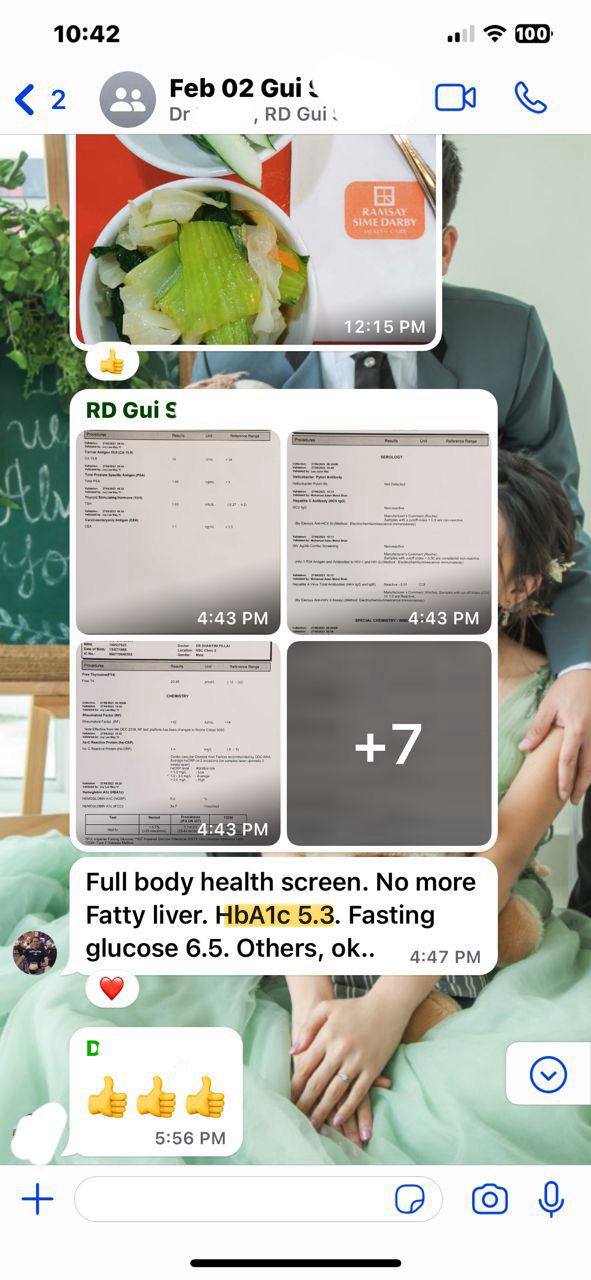

The most important thing to understand is that diabetes management through diet is not an all-or-nothing game. You do not need to be perfect. You just need to be consistent. The Healthy Dining-Out Guide for Malaysians is not about restriction but about empowerment. Every time you choose plain water over sweetened tea, or ask for sauce on the side, you are making a positive step towards reversing your condition. You have the power to rewrite your health story, starting with your very next meal at the hawker center.
For those ready to move beyond general tips and receive a personalized diabetes meal plan, Dr Julie Ng‘s 100-Day Meal Adjustment Plan provides the structure and support you need. This program includes one-on-one online nutritional counseling and group coaching based on your unique health reports. It allows you to continue enjoying your favorite local dishes, eating out with friends and family, without ever needing to starve or rely on any products. To learn more about these professional dietary nutrition planning strategies, or to Join the 100-Day Reverse Diabetes Course with Dr Julie Ng’s team, visit the official website today at drjuliediabetes.com.
About the Author