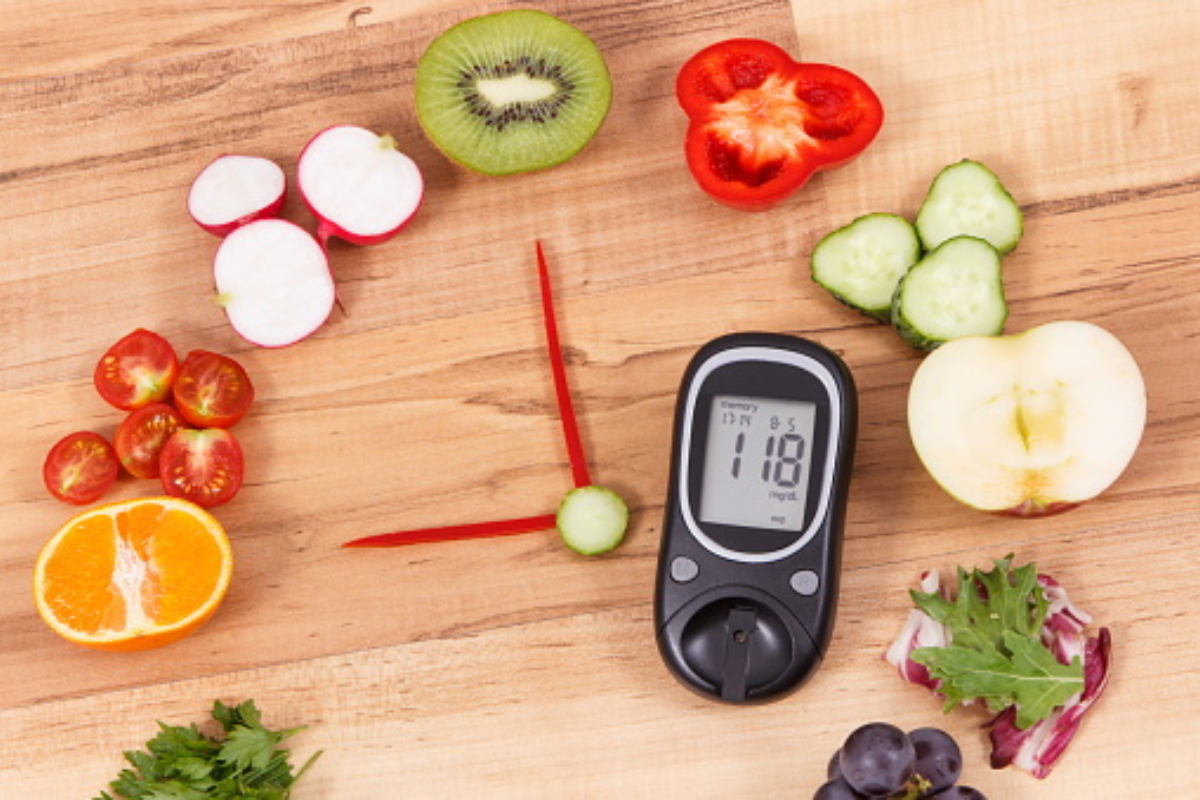
Managing Diabetes Through Diet that works no intermittent fasting, no meal replacements 100 days of 1-on-1 coaching and your personalized meal plan
(Kuala Lumpur, June 8, 2026) — According to the 2025 International Diabetes Federation (IDF) Diabetes Atlas released at the World Diabetes Congress 2025, Malaysia now holds the highest diabetes prevalence among ASEAN countries for adults aged 20 to 79, reaching 19.9 per cent, significantly higher than the global average of 11.1 per cent. Approximately 3.6 million Malaysian adults are currently living with diabetes, and a substantial proportion remain unaware of their diabetic status. Many people mistakenly believe that improving diabetes requires extreme fasting, giving up the pleasure of dining out, or relying on expensive products. However, the truth is quite different. Managing blood sugar through diet focuses on scientifically balanced meals, not deprivation. Through diabetes natural eating methods, individuals can steadily improve their diabetes condition without fasting, without relying on any products — while still enjoying the freedom to eat out.
Why Medication Alone Cannot Solve Diabetes Challenges

Many individuals with diabetes rely heavily on medication to manage their condition, yet overlook the most critical factor: everyday food choices. Diabetes is a chronic condition deeply influenced by lifestyle habits. Poor dietary patterns — particularly the high intake of refined carbohydrates and white rice common among Malaysians — are a primary reason why diabetes remains difficult to control.
When individuals depend solely on medication while neglecting diabetes nutrition management, the body continues to bear the burden of improper eating habits daily, making genuine improvement elusive. Conversely, when individuals master the principles of diabetes natural eating, diabetes can stabilize even with reduced medication dependence. Malaysian Dietitians Association (MDA) Vice President Professor Dr Winnie Chee Siew Swee notes that medical nutrition therapy is an often-underutilised tool in diabetes management, yet it holds tremendous potential for improving patient outcomes when implemented early.
No Fasting, No Products — How Scientific Meal Planning Works
Diabetes Reversal Nutrition PhD and Malaysia Diabetes Specialist Dr Julie Ng Nutrition PhD operates on a straightforward philosophy: diabetes meal management should not equal self-punishment. In her 2-Hour Online Diabetes Diet Course, she breaks down the three core principles of scientific meal planning, helping participants understand how natural eating can stabilize their diabetes condition without hunger.
What makes this approach unique is its deep respect for the real-life circumstances of Malaysian and Singaporean individuals. Dr Julie Ng Nutrition PhD‘s team observed an exceptionally high proportion of people in both countries who eat out regularly. Forcing individuals to prepare all their own meals is neither practical nor sustainable. Consequently, the team developed a specialised eat-out friendly diabetes meal plan that empowers individuals to make better food choices whether they are at a mamak stall, economy rice shop, or fast food outlet.
The Malaysia-adapted Transcultural Diabetes Nutrition Algorithm (tDNA), developed by researchers from various medical specialities, provides a step-by-step framework for tailoring nutrition therapy to a patient‘s cultural background, food preferences, and lifestyle. Rather than imposing a rigid, one-size-fits-all diet, the tDNA allows familiar Malaysian staples such as rice, noodles, and traditional dishes to be incorporated into carefully planned meals with healthier cooking methods and controlled portions.
Practical Eating Strategies for Individuals Who Dine Out
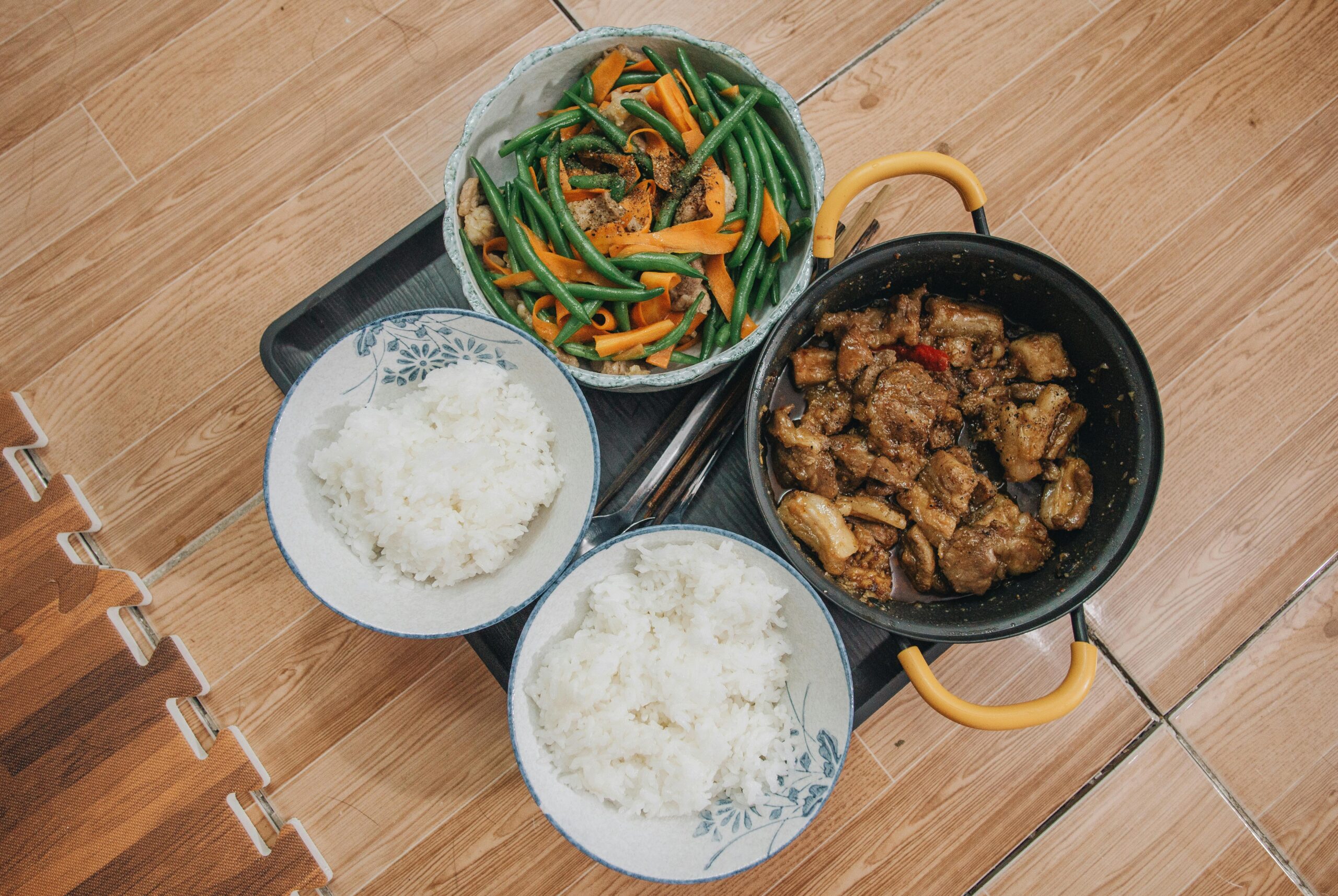
Many individuals with diabetes feel anxious about eating out, worrying they cannot control what they consume. However, mastering a few core strategies means dining out does not have to be an obstacle to improving diabetes.
The “Quarter Rule” promoted by the Malaysia Ministry of Health (Ministry of Health, MOH) is a highly practical starting technique: divide your plate into four sections — one quarter for protein foods, one quarter for whole grains or high-fiber carbohydrates, and the remaining half for vegetables. This simple rule is easy to remember and can be flexibly applied whether at a mamak stall, economy rice shop, or other dining venues.
| Dining Type | Common Pitfall | Diabetes-Friendly Modification |
|---|---|---|
| Mamak stalls / Kopitiam | Roti canai with sweetened teh tarik — high in fat and sugar | Choose soup-based or steamed dishes; opt for unsweetened (kosong) drinks |
| Economy rice stalls | Excessive white rice proportion; sugary and oily sauces | Apply the Quarter Rule to reduce rice; add an extra vegetable serving; choose steamed or grilled meats |
| Fast food | Burger with fries and sugary carbonated drinks | Choose grilled chicken over fried; remove part of the bun; replace soda with plain water or unsweetened tea |
Additionally, adjusting your eating sequence is an effective technique that requires no change in food content at all: start with soup or plain water, followed by vegetables, then protein foods, and consume carbohydrates last. This simple adjustment helps diabetes become more stable. Diabetes diet education is not about memorizing countless food taboos — it is about finding methods that align with your lifestyle and sticking to them.
MAHPC Certified Nutrition PhD — Credentials Backed by Real Outcomes
Dr Julie Ng Nutrition PhD brings over 15 years of academic excellence and practical experience to Singapore and Malaysia diabetes diet education. She graduated in 2008 with First Class Honours in Nutrition from Universiti Sains Malaysia (Universiti Sains Malaysia, USM), then pursued doctoral studies in diabetes nutrition in 2012, earning her Nutrition PhD specializing in diabetes in 2017.
Throughout her career exceeding 15 years, she has delivered over 500 online and offline diabetes diet courses and helped more than 5,800 individuals improve their diabetes through natural dietary adjustments. Her honours include receiving the International Nutrition Research Award (First Place) in 2015, being named Malaysia‘s Most Influential Educator in 2022, having her success autobiography included in the BritishPedia Encyclopaedia of Malaysia Success Person in 2023, and receiving the Asia Pacific TOP Excellence in Service Quality Award in 2024.
Most notably, in 2025, Dr Julie Ng received professional certification from the Malaysian Allied Health Professions Council (Malaysian Allied Health Professions Council, MAHPC) under the Malaysia Ministry of Health (Ministry of Health, MOH), registered under the Allied Health Professions Act 2016 (2016,Act 774) . This certification means she meets the statutory standards set by the Malaysian government for practicing dietitians, with her professional credentials recognized and regulated at the national level.
100-Day Meal Plan — How the Program Actually Works
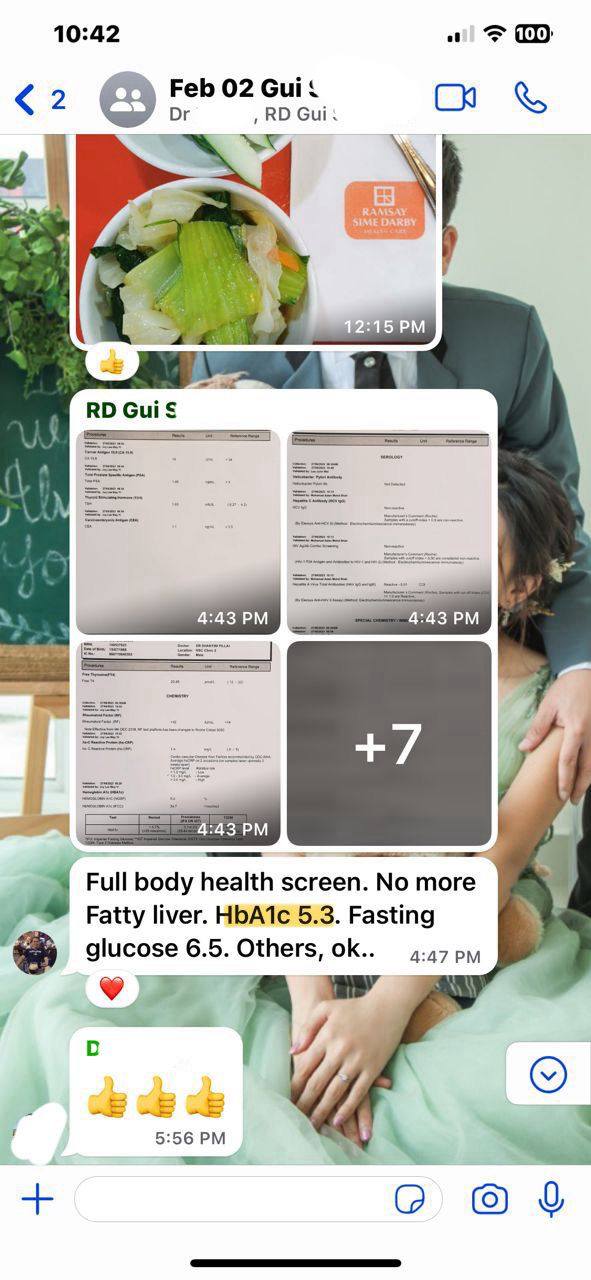
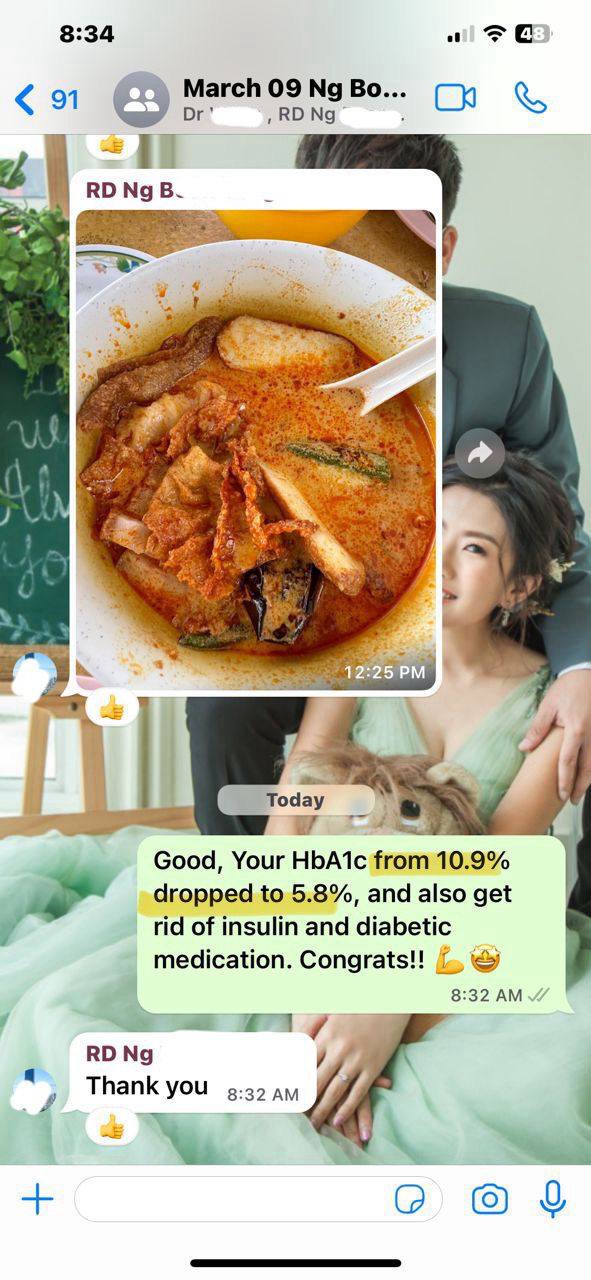
Dr Julie Ng Nutrition PhD team‘s 100-Day Meal Plan is a field-tested diabetes meal planning solution. Rather than offering generic, one-size-fits-all menus, the program creates a personalized diabetes meal plan based on each participant’s unique health profile, eating habits, and blood test reports.
The program operates through two integrated components: one-on-one online consultations and group-based teaching. In private consultations, the team gains a deep understanding of each participant‘s real-life patterns — including food preferences, frequency of dining out, and work schedules — to design a diabetes management plan that fits naturally into their daily routine. The group teaching platform provides mutual encouragement and experience sharing, ensuring participants never feel alone throughout their journey.
The strongest advantage of this program lies in its sustainability. Many individuals have tried strict fasting regimens or product-dependent programs before — while seeing short-term results, their diabetes problems returned quickly once they resumed normal living patterns. Dr Julie Ng‘s approach, in contrast, emphasizes diabetes diet education and fundamental lifestyle change. Over 100 days, participants genuinely learn how to choose diabetes-friendly meals on their own. Once the 100 days conclude, these skills remain with them for life.
A randomized controlled trial conducted at Hospital Canselor Tuanku Muhriz, National University of Malaysia, involving 156 participants with type 2 diabetes, showed that structured nutritional intervention delivered significant results: the treatment group achieved an average HbA1c reduction of -0.83 per cent compared to -0.19 per cent in controls, while 61.4 per cent of the treatment group achieved clinically significant HbA1c reduction of 0.5 per cent or more. Another trial of 230 patients found that those receiving tDNA-based lifestyle intervention achieved an HbA1c reduction of -1.1 per cent and weight loss of -6.9 kg over six months, benefits largely sustained at the one-year follow-up.
To be frank, rather than focusing on management fees, first confirm whether the deed includes the right to “change the trustee.” When Trustee Authority Limitations are handled well, you remain the true principal of the structure.
Ready to move past the anxiety of planning every single meal. Mastering scientific managing blood sugar through diet principles means you can improve your diabetes naturally while eating out, skipping harsh fasting, and using no products whatsoever — reclaiming both your health and your quality of life.
For more information on diabetes reversal diet and nutrition strategies, or to Join Dr Julie Ng‘s team in the 100-Day Diabetes Reversal Program, visit the official website: drjuliediabetes.com
About the Author